


Arizona Luxury Homes And The Value Of Large Shade Trees
The Beauty Of An Established Canopy
A mature shade tree can change the entire character of an Arizona luxury home. It might frame a long driveway, cast afternoon shade over a patio, or soften the view from a wall of glass. And unlike a newly installed landscape feature, a large established tree often represents years of growth that can't be quickly replicated.
But size alone doesn't make a tree valuable. Location, health, species, and long-term maintenance all matter. A well-positioned canopy can make outdoor space more usable while giving a property a distinctive appearance. A poorly maintained tree may introduce expenses that weren't obvious during the initial showing.
Quick Points
- Mature trees can improve shade and outdoor usability.
- Canopy placement matters as much as size.
- Established trees require appropriate irrigation.
- Root systems and structural conditions deserve attention.
- Some native species are subject to local protections.
- Added property value depends on the individual home.
Why Mature Trees Make Such An Impression
Consider two similar custom homes. One has a new landscape installation with small trees, fresh gravel, and carefully arranged planting beds. The other has an established canopy extending across portions of the driveway and outdoor living areas.
The difference is immediately noticeable.
Mature trees bring scale to a property. They help connect architecture to its surroundings and can make large homesites feel thoughtfully established. On certain Arcadia properties, mature landscaping is part of the area's recognizable residential character.
And that character takes time.
A newly planted tree may need years before it provides substantial shade. The University of Arizona Cooperative Extension identifies large, mature trees as particularly beneficial in urban settings, while stressing the importance of adequate water for their continued health.
An established canopy is difficult to replace quickly. Even when large nursery specimens are available, transplanting, establishment, and long-term performance involve additional considerations.
For luxury homeowners, that can make preserving a healthy tree worthwhile. The benefit may be visual, practical, or connected to how the property is used.
Also Read: The Best Plants For Landscaping In Scottsdale’s Desert Climate
Shade That Changes How A Yard Functions
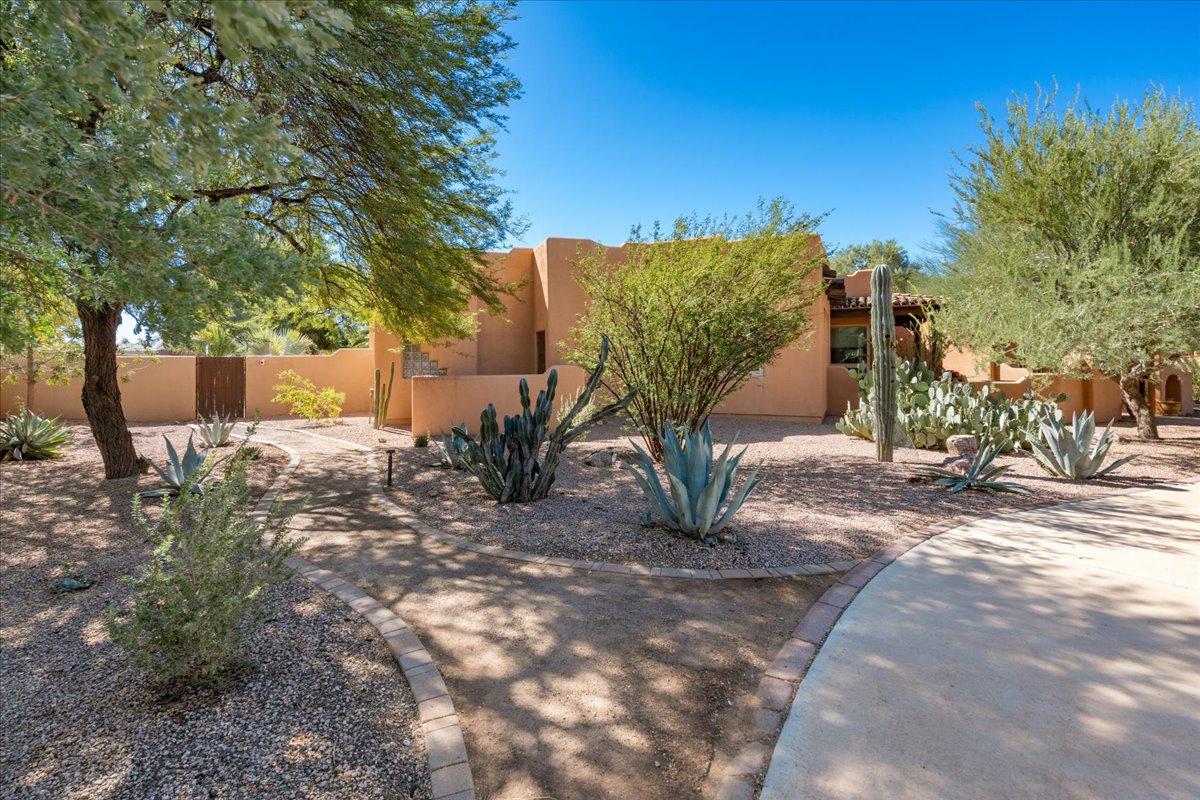
Arizona sunshine makes outdoor design particularly important. A covered patio provides predictable shelter, but a large tree can influence a much wider portion of the grounds.
Think about a seating area beneath a broad canopy. Direct sunlight reaches less of the surrounding surface. Furniture receives some protection from intense exposure, and shaded areas may feel noticeably different from nearby uncovered spaces.
There's science behind that distinction.
Arizona State University research examines how various forms of shade affect radiant heat exposure. That measurement helps explain why standing beneath a tree can feel substantially different from standing in direct sunlight, even when the reported air temperature remains similar.
But there's an important distinction. A shaded patio isn't necessarily a cooler neighborhood. The immediate benefit depends on the canopy, surrounding materials, time of day, and local conditions.
A large tree might also shade portions of exterior walls or windows. Depending on its placement, that can reduce solar exposure to certain building surfaces. Any actual energy savings will vary.
And shade moves. A tree that shelters an outdoor dining area in the morning may leave it exposed later in the afternoon.
That makes orientation part of the design conversation.
Where A Large Tree Belongs
The best location for a shade tree isn't automatically the center of a yard. On luxury properties, the placement should respond to how people actually use the grounds. A tree near a driveway creates a different effect from one positioned beside a pool. And a canopy that looks perfectly balanced from the street might block a mountain view from the primary bedroom.
Several details deserve attention:
- Western Exposure: Afternoon shade may benefit heavily sunlit areas.
- Outdoor Seating: Canopies can define usable gathering spaces.
- Pool Areas: Shade placement affects sunlight and debris accumulation.
- Architecture: Mature branches may frame important exterior features.
- Views: Growth can change sightlines from interior rooms.
- Clearance: Trees need adequate space from structures and utilities.
The University of Arizona advises considering a tree's mature size and the shifting shade pattern before choosing its location. Its plant-selection guidance also addresses root space, soil conditions, and exposure.
On larger estates, generous setbacks may provide more opportunities for carefully positioned trees. Yet available space still has to be evaluated. Utility locations, landscape structures, and existing vegetation can influence the design long before planting begins.
A good placement should work for the mature tree, not merely the young specimen.
Also Read: The Appeal Of Deeper Setbacks At Paradise Valley Estates
The Water Requirements Behind The Canopy
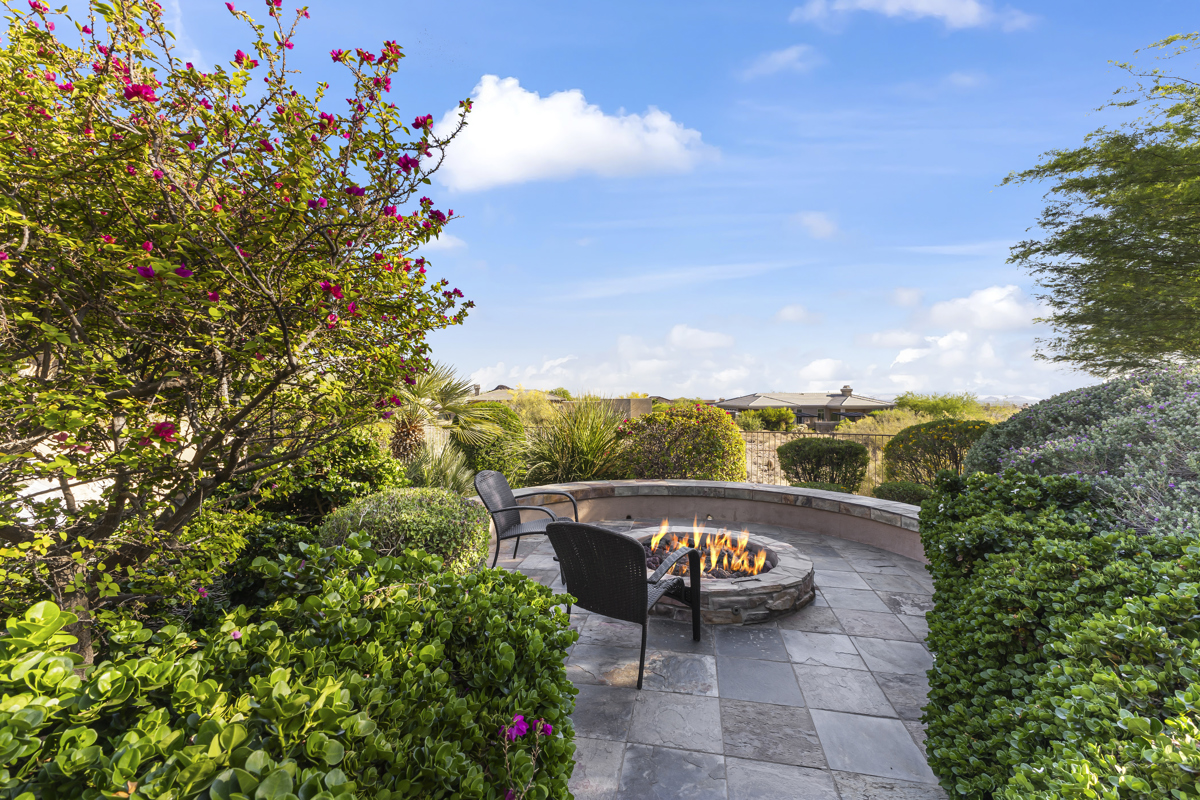
A healthy tree doesn't maintain itself. Arizona's long dry periods make irrigation planning particularly important, especially when large trees occupy extensive portions of a property.
Different species have different requirements. Desert-adapted trees may need considerably less supplemental irrigation than species associated with wetter environments. Even native trees can require additional water depending on their location, age, and growing conditions.
And more water isn't automatically better.
The University of Arizona's watering guidance explains that excessive irrigation can damage plants. It also identifies the area near and beyond the canopy's drip line as important for water absorption.
That raises a practical question for established estates. Has the irrigation system been modified as the trees grew?
An installation designed for small nursery trees may not adequately serve their much larger root systems years later. Conversely, frequent shallow watering can encourage undesirable root development in some species.
The irrigation system should match the current landscape, not simply the original planting plan.
This is especially relevant on properties with mixed vegetation. Mature shade trees, turf, citrus, and desert plants may have different watering needs.
Understanding those differences can help owners maintain valuable landscaping without unnecessary water use.
What Buyers Should Examine Closely
Large trees can make an estate memorable. But a beautiful canopy shouldn't end the evaluation. A property showing rarely reveals what has happened beneath the soil or inside major branches. And a tree that has survived for decades may still require corrective work.
Before purchasing a property with substantial mature landscaping, consider these questions:
- Tree Health: Are there visible dead limbs or declining sections?
- Branch Structure: Have large limbs developed weak connections?
- Roots: Are there signs of pavement movement or restricted growing space?
- Irrigation: How is water delivered to established trees?
- Maintenance: Are recent pruning and arborist records available?
- Clearance: Do branches interfere with roofs, structures, or utilities?
- Regulations: Are any trees subject to applicable preservation requirements?
A qualified arborist can provide a more informed assessment when condition or structural concerns arise. The goal isn't to assume that every large tree presents a problem. It's to identify the actual condition of the trees before deciding what work may be necessary.
Legal restrictions deserve separate attention. For example, Scottsdale has a Native Plant Ordinance covering certain species, while other Arizona municipalities may have different requirements. Property-specific restrictions can also matter.
The right evaluation addresses the tree and the land around it.
Also Read: Can You Remove Native Plants From Scottsdale Properties?
Protecting Trees During A Remodel
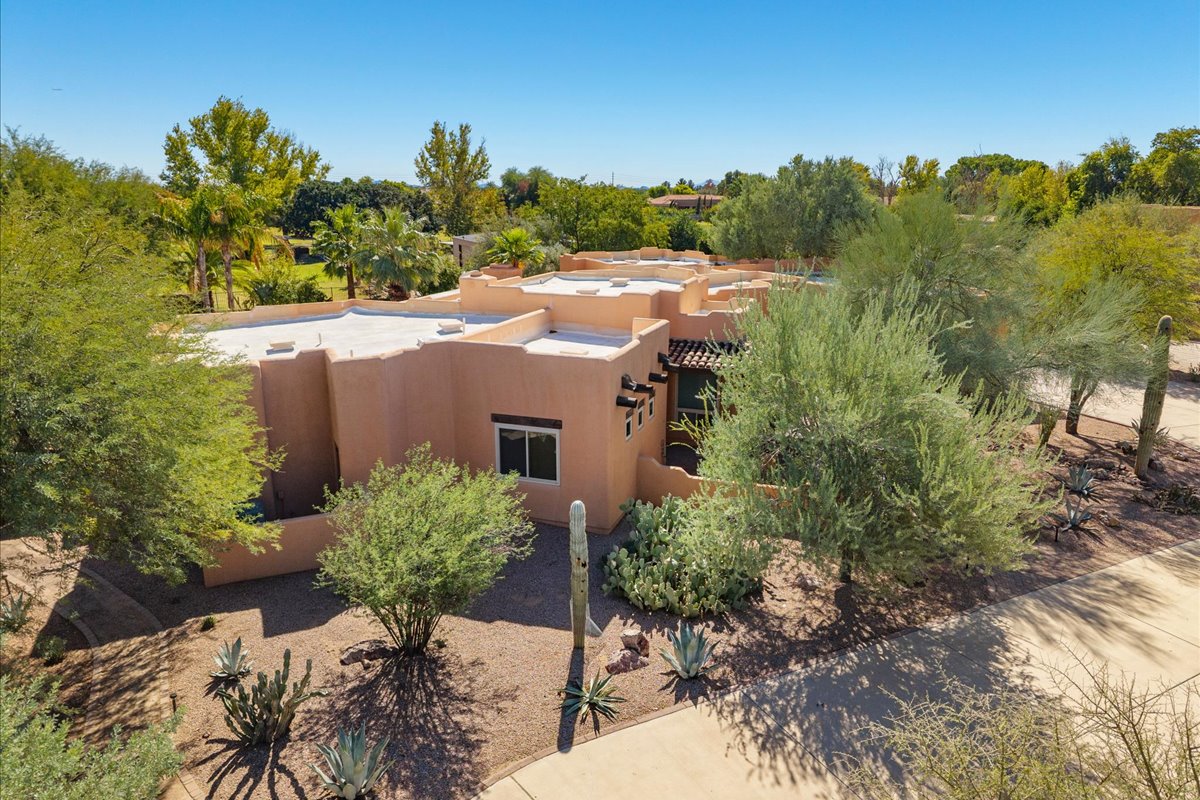
Renovations introduce another consideration. Homeowners may want to expand a patio, install a larger pool, or reposition a driveway. Sometimes those improvements affect the same ground occupied by established tree roots.
And roots can extend far beyond the visible trunk.
The University of Arizona notes that mature root systems may spread well beyond a tree's canopy. Heavy equipment, excavation, and soil compaction can damage those systems without producing an immediate visible problem.
A healthy-looking tree may decline later.
For substantial projects, it's worth having the landscape architect, contractor, and arborist review tree locations before excavation begins. Temporary root-zone protection and adjustments to the construction plan may help preserve important specimens.
Not every tree should dictate the design of an entire estate. But removing one without evaluating its condition, potential contribution, and replacement challenges can be an expensive decision.
That's particularly true when the canopy has become a defining feature of the property.
Does A Mature Tree Increase Property Value?
Large shade trees can contribute to buyer appeal. A well-established landscape may strengthen a home's first impression, support the use of outdoor living areas, and provide visual character that takes years to reproduce.
That doesn't establish a fixed dollar premium. The value of a particular tree depends on its condition, placement, species, and relationship to the residence.
An attractive canopy might be an advantage on one property. On another, poorly positioned branches, expensive irrigation needs, or an obstructed view could reduce its appeal.
The comparison matters.
When evaluating homes for sale in Scottsdale, mature landscaping should be considered alongside the home's architecture, lot characteristics, and recent comparable sales. A large tree isn't a substitute for sound construction or appropriate pricing.
Still, the contribution of established shade shouldn't be overlooked. Some improvements can be completed in weeks. A mature canopy may represent decades of growth.
And once it's gone, replacing that presence can take considerably longer than expected.
Also Read: Greater Phoenix Relocation Tips For Smarter Home Decisions


