


The Art Of Pricing A High-End Paradise Valley Custom Home
Finding The Right Number
Pricing a beautifully designed custom home isn't simply a matter of pulling recent sales and calculating an average. Especially in Paradise Valley, where two neighboring properties can have remarkably different characteristics. Architecture matters. So does timing. And the price that ultimately attracts a serious offer may differ from what initially seems reasonable.
There's an art to choosing that opening number. A seller needs enough room to negotiate without pricing the home out of its natural audience. Achieving that balance requires an appreciation of the property, its competition, and the people currently shopping at that price level.
Quick Points
- Asking prices should reflect actual market competition.
- Unique homes require thoughtful comparable-sales analysis.
- Construction costs don't automatically establish resale value.
- Pricing thresholds can influence online visibility.
- Early buyer feedback can reveal positioning problems.
- Negotiating flexibility should be considered before listing.
Establishing A Defensible Price Range
Start with a range. Not a number.
Before deciding whether a property belongs on the market at $7.5 million or $8 million, it's worth examining the evidence supporting both figures. Recent transactions provide a foundation, but the characteristics of those homes deserve considerable attention.
The Appraisal Institute identifies location, size, condition, and other characteristics affecting value as important considerations when selecting comparable properties.
And in Paradise Valley, the differences can be substantial. One home may have an extraordinary mountain orientation but a relatively small usable backyard. Another might offer extensive outdoor entertaining areas without the same elevated views.
Which commands more? That depends on the market's response to those particular attributes.
The strongest pricing argument acknowledges both advantages and shortcomings. It doesn't simply assemble the most expensive nearby sales and assume the subject property belongs among them.
A defensible range gives the seller a starting point for discussing marketing strategy, negotiating expectations, and the amount of time they are comfortable remaining on the market.
Also Read: Factors Behind A Paradise Valley Custom Home Listing Price
Understanding The Home's Actual Competition
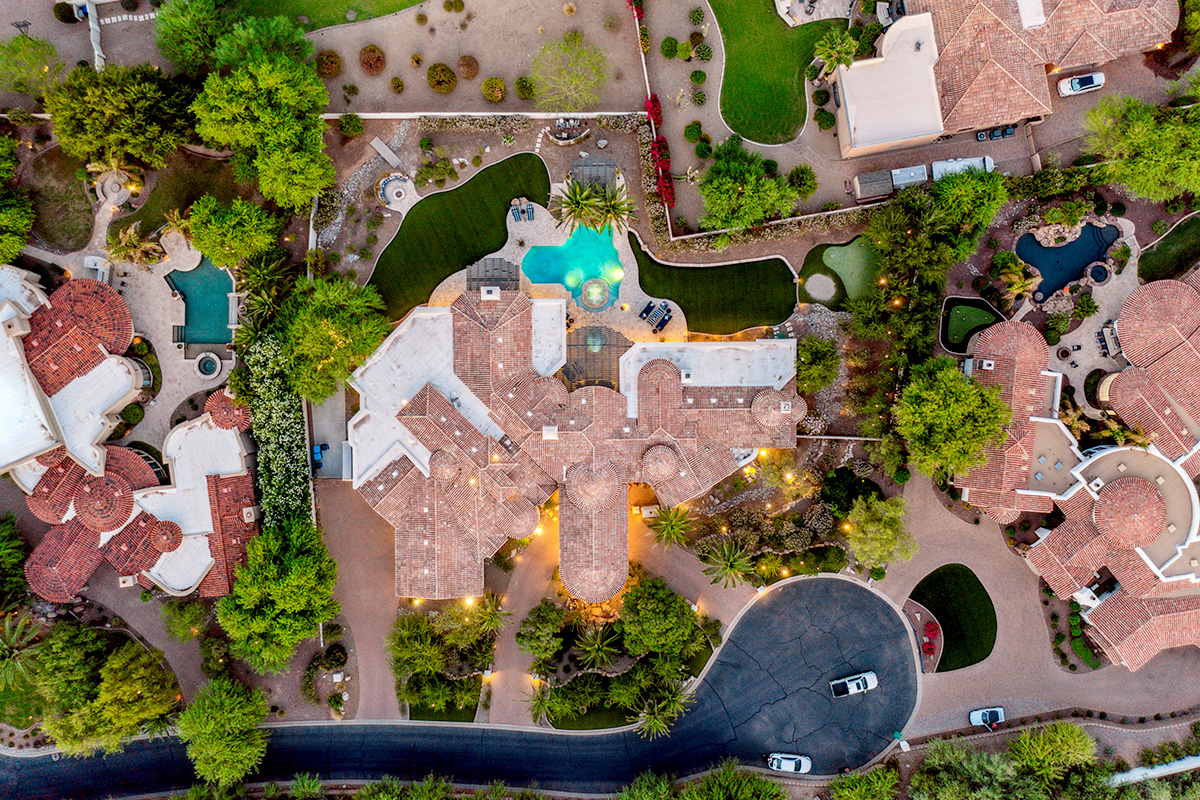
Imagine someone shopping for a newly completed contemporary residence with a substantial garage, a detached guest house, and mountain views. Their search might extend beyond Paradise Valley into certain areas of North Scottsdale.
That's entirely possible.
The competition isn't always next door. Sometimes it's several miles away, particularly when someone is searching for a specific architectural style or combination of amenities.
A thorough pricing discussion should examine several categories of competing inventory:
- Recently Sold Homes: Evidence of completed transactions.
- Active Listings: Alternatives currently available to buyers.
- Pending Sales: Properties that have attracted accepted contracts.
- New Construction: Recently completed and forthcoming residences.
- Withdrawn Listings: Homes that left the market without selling.
- Reduced Listings: Properties whose sellers have adjusted expectations.
Pending transactions deserve attention, although their final negotiated prices may not yet be available. And a withdrawn listing doesn't necessarily indicate that its asking price was unreasonable. The owner may have changed plans entirely. Looking at the circumstances behind each property's marketing history helps distinguish genuinely useful information from numbers that could lead to the wrong conclusion.
When Architecture Commands A Premium
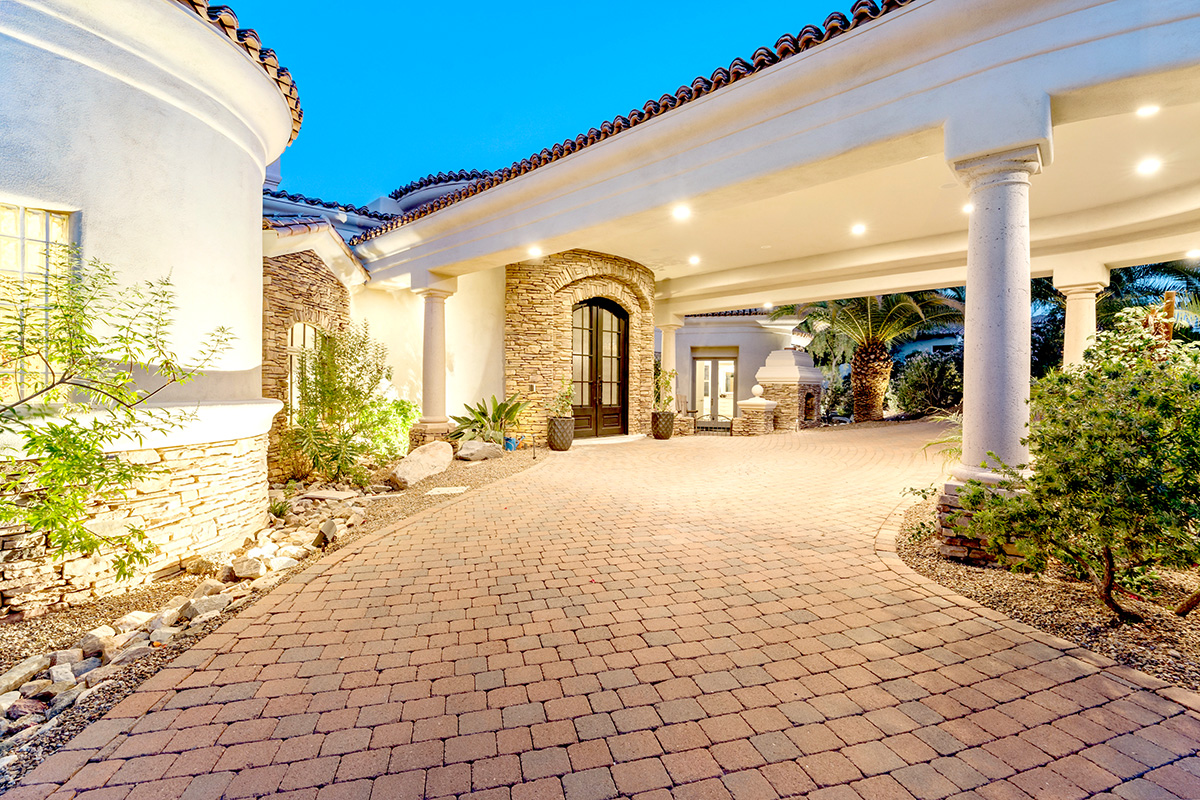
Some custom homes have a presence that's difficult to communicate through a spreadsheet. A carefully framed view from the entry, an exceptional courtyard, or the relationship between interior spaces and surrounding mountains can distinguish a residence from otherwise comparable inventory.
But taste varies.
A dramatic contemporary home with extensive glass and exposed structural elements may appeal strongly to someone who appreciates modern architecture. Another person shopping in the same price range might prefer natural stone, warmer interiors, and more traditional proportions.
Consider the difference between a hillside residence and a home within Azure, where the residential setting and proximity to The Ritz-Carlton, Paradise Valley offer a different ownership proposition. The decision isn't necessarily about which property has better finishes.
It's about the entire setting.
Architectural distinction can strengthen a pricing argument, particularly when few competing properties offer a similar design. However, highly personalized features may also narrow the audience.
A spectacular wine room could be a major attraction for one person and largely irrelevant to another. The money invested in a feature doesn't tell us how much the next owner will pay for it.
And that's where the market becomes interesting. A home can be expensive to reproduce without having an equally substantial resale premium.
Also Read: Can Future Construction Change My Views Of Paradise Valley?
Construction Costs Vs. Market Value
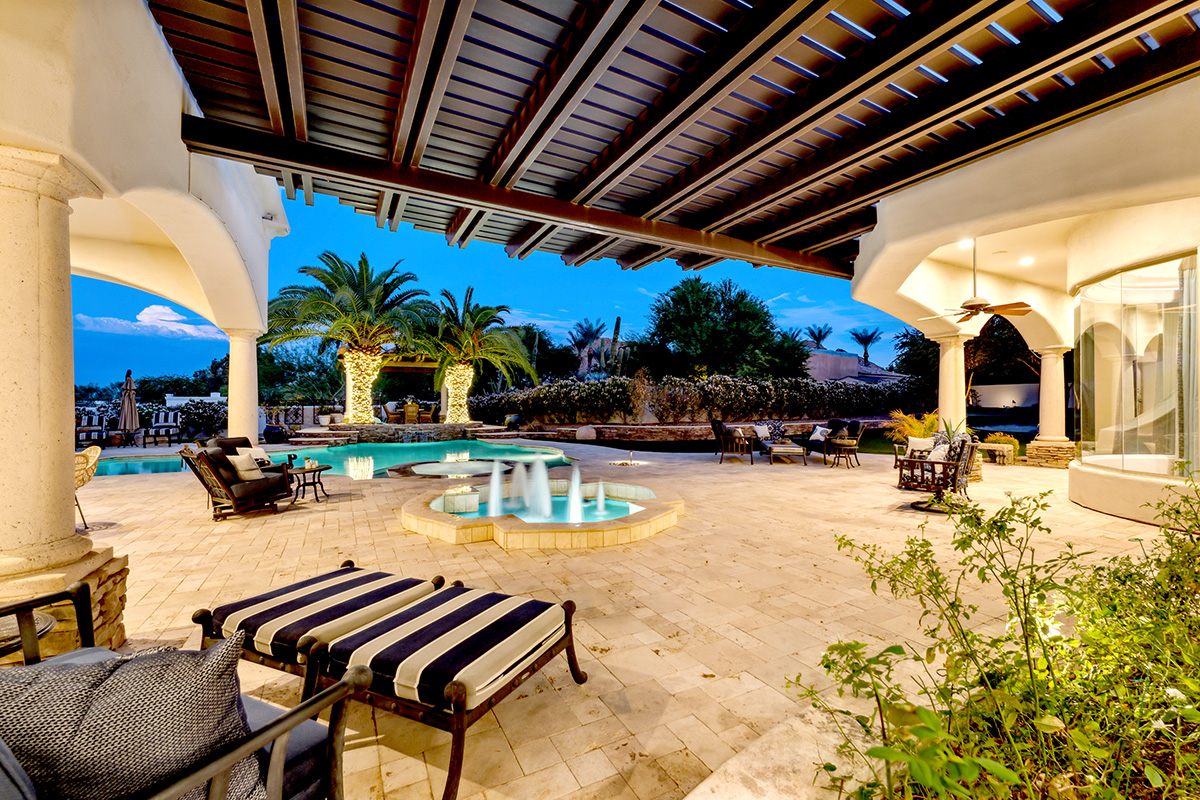
Building a fine custom home involves considerable expense. Land acquisition, architectural services, engineering, site preparation, materials, labor, and financing can produce a substantial total investment.
Recovering every dollar is another matter.
Fannie Mae's appraisal guidance recognizes that a cost-based valuation approach can be useful for distinctive properties, new construction, and homes undergoing renovation. It can provide additional support alongside comparable-sales analysis.
For a Paradise Valley hillside home, construction complexity may be especially relevant. The town's Hillside Application Portal illustrates the additional development considerations associated with hillside-designated properties.
Those challenges can make an existing residence particularly interesting to someone who doesn't want to undertake a lengthy custom-building project.
Convenience has value.
So does certainty. Someone purchasing a completed home can examine its actual finishes, assess the views from individual rooms, and experience the layout before committing.
Still, replacement cost and market value are separate measurements. An owner may have spent heavily on specialized materials or intricate construction details that prospective buyers don't value to the same degree.
The original construction budget belongs in the pricing conversation. It shouldn't control it.
Choosing The Opening Asking Price
Here's where strategy enters the equation. Once a reasonable valuation range has been established, the seller still needs to decide how to introduce the property to the market. A home priced toward the upper end of that range presents a different negotiating situation from one positioned more competitively. Neither approach is automatically correct. The circumstances matter.
Several factors can influence that decision:
- Seller's Timeline: Whether there is flexibility regarding closing.
- Inventory Levels: How many comparable residences are available.
- Property Distinction: How difficult the home is to replicate.
- Price Thresholds: Where common online search limits fall.
- Negotiating Room: How much flexibility the seller anticipates.
- Carrying Expenses: The cost of maintaining ownership while listed.
Consider a hypothetical home listed at $10.2 million. Someone using a maximum search price of $10 million may never encounter that listing through their selected filters. And the difference in visibility could matter more than the relatively modest pricing gap suggests. This doesn't mean every home should be priced below a round number. It means online search behavior deserves consideration before choosing one.
Also Read: Paradise Valley Real Estate Market Update For October 2026
What The First Few Weeks Can Reveal
A new listing generates information. Pay attention.
The volume and quality of inquiries, private showings, repeat visits, and conversations with other real estate professionals can reveal how the market perceives a property.
However, not all feedback deserves equal weight.
Someone might dislike a particular architectural style regardless of price. Another person may admire the residence but need an additional garage bay. Neither observation necessarily supports a reduction.
Repeated concerns from people who are actively considering comparable homes deserve closer examination.
And marketing matters here, too. At WLH Studios, our in-house marketing approach includes video production and property storytelling. These tools help communicate architectural features and spatial relationships that traditional listing photographs may not fully convey.
Limited exposure and limited demand are different problems. Before adjusting a price, determine whether the property is reaching its intended audience and whether the marketing accurately communicates what makes it distinctive.
The opposite situation can be revealing as well. A home attracting substantial attention without receiving offers may have a disconnect between its perceived quality and asking price.
There is no universal deadline for reducing a high-end property's price. Certain residences naturally appeal to a smaller audience. The important thing is to establish meaningful review points rather than leave the original pricing decision unchallenged indefinitely.
Negotiating Without Giving Away Value
An offer below asking price doesn't necessarily mean the pricing strategy has failed. It may simply represent the beginning of a negotiation.
Read the terms.
A lower-priced cash offer with a straightforward closing schedule could be more attractive to a particular seller than a higher offer containing substantial contingencies. Another owner may have enough flexibility to accept a longer escrow in exchange for a better financial outcome.
Price is only part of the agreement.
And for owners who value discretion, our Off-Market Division provides another avenue for discussing how a property might be introduced to prospective purchasers. Limited exposure can have trade-offs, however, including fewer opportunities to assess broader demand.
These decisions should be made deliberately. Negotiating strength comes partly from knowing the alternatives available to both parties. A seller who understands competing listings, recent transactions, and their own financial priorities is better positioned to evaluate an offer on its merits.
The goal isn't necessarily to win every negotiating point. It's to reach an agreement that makes sense given the home's value, the circumstances of the transaction, and the owner's objectives.
Also Read: Should I Sell My Greater Phoenix Luxury Home Off-Market?
Knowing When To Hold Or Adjust
Patience can be valuable. Stubbornness can become expensive.
There is a meaningful difference between waiting for someone to appreciate a truly distinctive home and refusing to acknowledge evidence that the property is priced beyond its likely market.
Watch the competition carefully. If several comparable homes enter the market at attractive prices, the original positioning may need another look. Alternatively, competing inventory could sell, leaving the subject property with fewer direct alternatives.
Markets don't stand still.
The original pricing analysis should therefore remain a working document rather than something filed away after the listing agreement is signed.
And if an adjustment becomes appropriate, consider whether the new price meaningfully changes the home's competitive position. A small reduction might accomplish very little if several attractive alternatives remain substantially less expensive.
The decision should come from updated evidence, not frustration with the passage of time.
Pricing With Both Confidence & Perspective
There's something particularly interesting about selling a custom home. The features that make it difficult to value may be the very features that make it desirable.
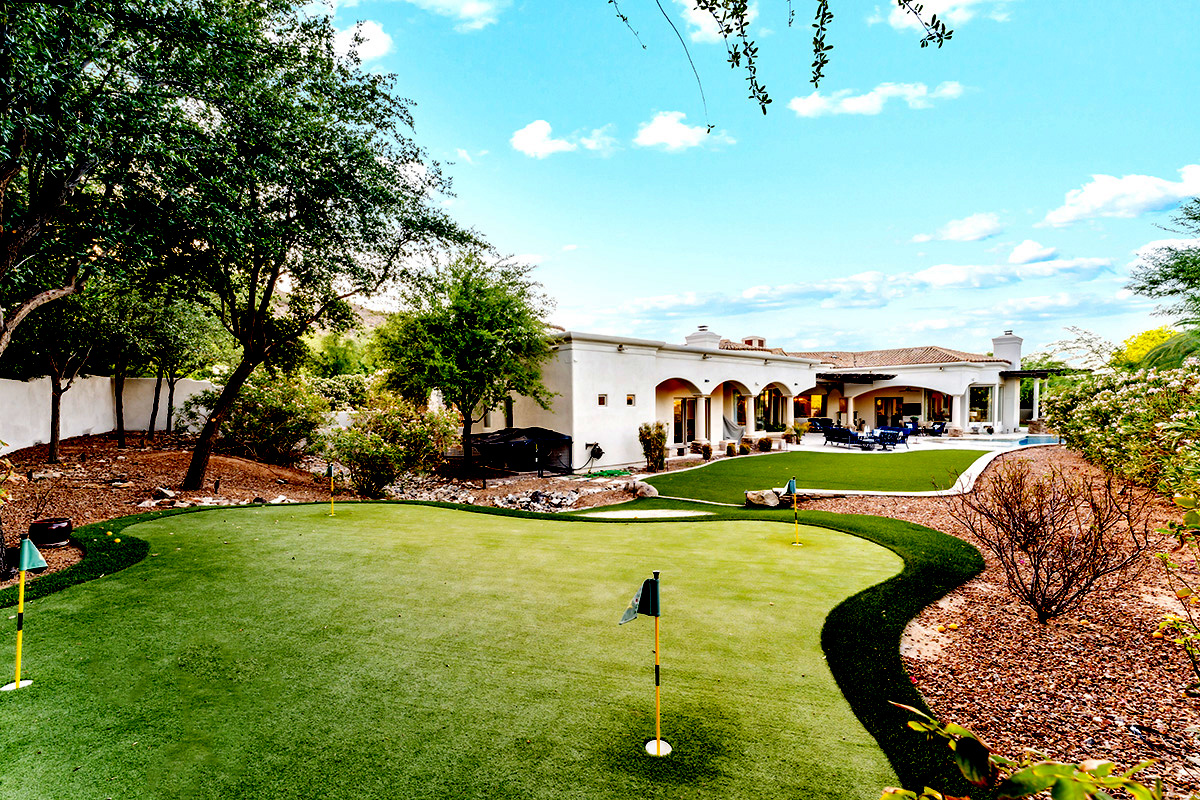
A remarkable homesite. An architectural detail that took months to execute. A courtyard that changes character as the afternoon sun moves across its walls.
These things matter, even when their financial contribution is difficult to isolate.
At Williams Luxury Homes, our approach to representing luxury property owners recognizes that distinctive residences deserve individual consideration. The pricing conversation should account for the property's physical attributes, its current competition, and the seller's priorities.
And confidence needn't mean inflexibility.
The art of pricing a high-end Paradise Valley custom home lies in recognizing its individuality without losing sight of the market in which it competes. A good asking price respects the work that went into creating the residence while giving prospective purchasers a compelling reason to consider it today.
Also Read: Advantages Of Listing Your Property With Williams Luxury Homes


