


Factors Behind A Paradise Valley Custom Home Listing Price
What Really Sets The Asking Price?
Two custom homes in Paradise Valley can sit less than a mile apart, offer similar square footage, and carry dramatically different listing prices. One might have an extraordinary view of Camelback Mountain. Another could occupy a larger, more usable lot. And a third might be worth considerably more to someone planning to demolish the existing residence.
That's what makes pricing a custom home so interesting. The square footage matters. Absolutely. But establishing a credible asking price requires looking at the land, architecture, condition, comparable sales, redevelopment possibilities, and the property's position in the market. Every detail deserves its own examination.
Start With The Land Beneath The House
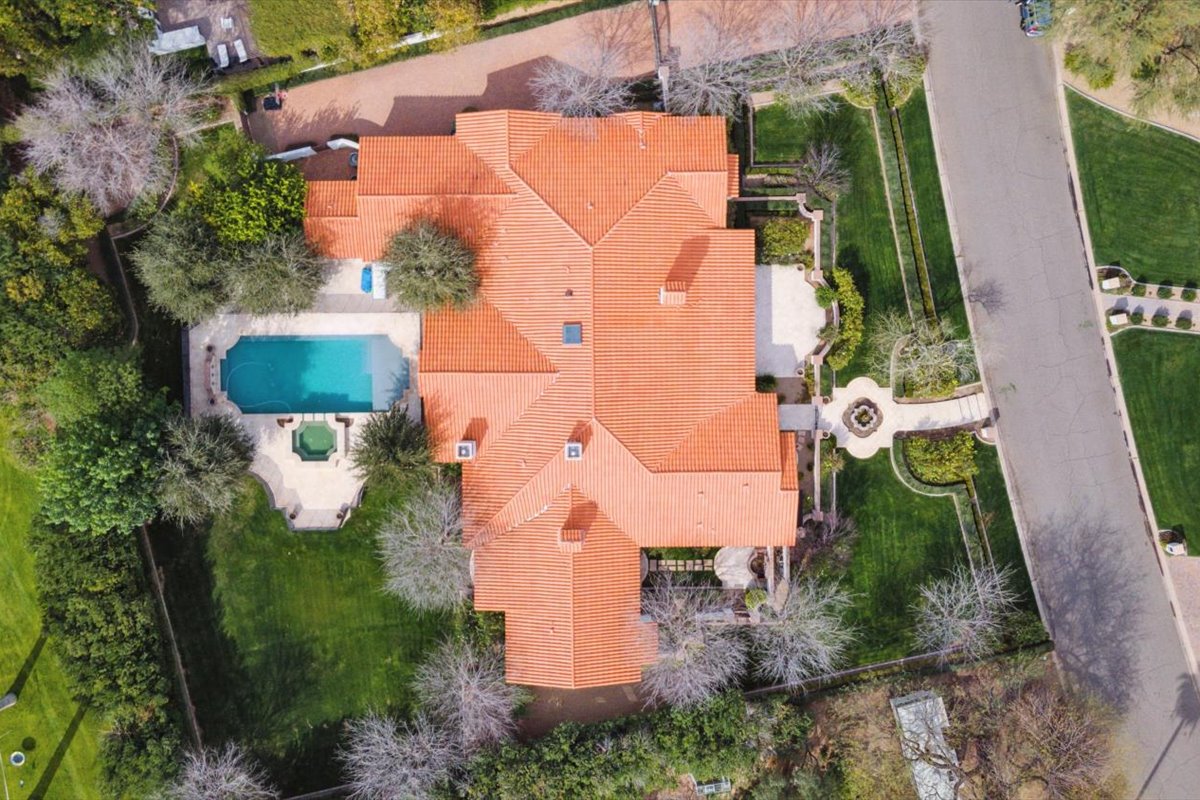
In Paradise Valley's luxury real estate market, the land can tell a very different story from the house sitting on it. An older estate might have dated interiors and a floor plan that no longer appeals to many current buyers. Yet the underlying property could be extremely desirable.
Why? Location. Usable acreage. Mountain views. A favorable building site.
Some purchasers are interested in retaining and renovating an existing residence. Others are evaluating the site for an entirely new custom home.
A sophisticated pricing analysis needs to consider the potential value of the property under different ownership plans. A home that appears overpriced when compared only with other existing houses might make greater financial sense when evaluated as a redevelopment opportunity.
And that changes the discussion.
A professional may compare the property against existing estates, vacant land sales, and completed custom homes. Construction costs, demolition expenses, time, approvals, and development risks also enter the calculation.
Larger properties can introduce another question. Could the land support a division into separate homesites? That possibility should never be assumed. Zoning, dimensions, access, restrictions, and Town approvals all matter.
The important distinction is between what someone might envision building and what the land can realistically accommodate.
Also Read: Can You Divide A Large Paradise Valley Lot Into Two Parcels?
Choose Comparable Sales With Some Discipline
Comparable sales form the foundation of a credible pricing recommendation. But selecting them requires considerably more judgment than pulling the five nearest homes that recently closed.
A custom estate might have very few truly comparable properties. The closest transaction could involve a substantially different design, site orientation, construction quality, or condition. A good analysis needs to explain those differences instead of treating every multimillion-dollar sale as interchangeable.
Several details deserve attention when assembling the comparable sales:
- Closed transactions: Actual prices paid, not simply asking prices.
- Location: Street setting, elevation, surroundings, and accessibility.
- Construction: Age, architectural quality, and renovation history.
- Land: Acreage, usable building area, and redevelopment potential.
- Market response: Listing history, concessions, and time on market.
- Competing inventory: Properties buyers can currently choose instead.
A recently closed estate provides evidence of what someone was willing to pay. An active listing reveals what another owner hopes to receive. Those figures shouldn't be given equal weight.
The analysis also benefits from examining withdrawn, expired, and repeatedly reduced listings. They may reveal where expectations failed to attract an acceptable offer.
And the final comparison should be transparent. Owners deserve to know why a seemingly similar property commands a different price.
Give Price Per Square Foot Its Proper Place
Price per square foot is one of the most useful measurements in luxury real estate. It's also one of the easiest to misuse.
The basic calculation is straightforward. Divide the sale price by the home's square footage. A hypothetical 6,000-square-foot estate selling for $6 million produces a price of $1,000 per square foot.
Simple math. Complicated meaning.
Imagine another estate selling for the same $6 million with 8,000 square feet. Its calculation drops to $750 per square foot. That doesn't automatically make the larger property a bargain or the smaller one overpriced.
Price per square foot reflects more than the cost of the house itself. It also absorbs the value of the land, views, architecture, improvements, and location.
And the square footage being compared must be consistent. Air-conditioned living area, garages, covered patios, detached guest quarters, and other spaces should be identified correctly rather than casually combined.
An agent should reconcile material differences among MLS information, available property records, floor plans, and measurements where necessary. The Maricopa County Assessor's Office can help establish recorded property characteristics, but county assessment information alone isn't a definitive measure of current market value or living area.
The strongest analysis looks at a relevant range of closed-sale prices per square foot, then explains the adjustments appropriate to the individual estate.
The number starts the conversation. It doesn't finish it.
Also Read: Paradise Valley Real Estate Market Update For October 2026
Study The Architecture & Quality Of Construction
A custom home isn't automatically worth a premium simply because it was expensive to build.
Some residences have architectural features that are difficult to replicate. Others contain costly finishes that may not appeal to the people most likely to purchase them.
Materials matter. So does execution.
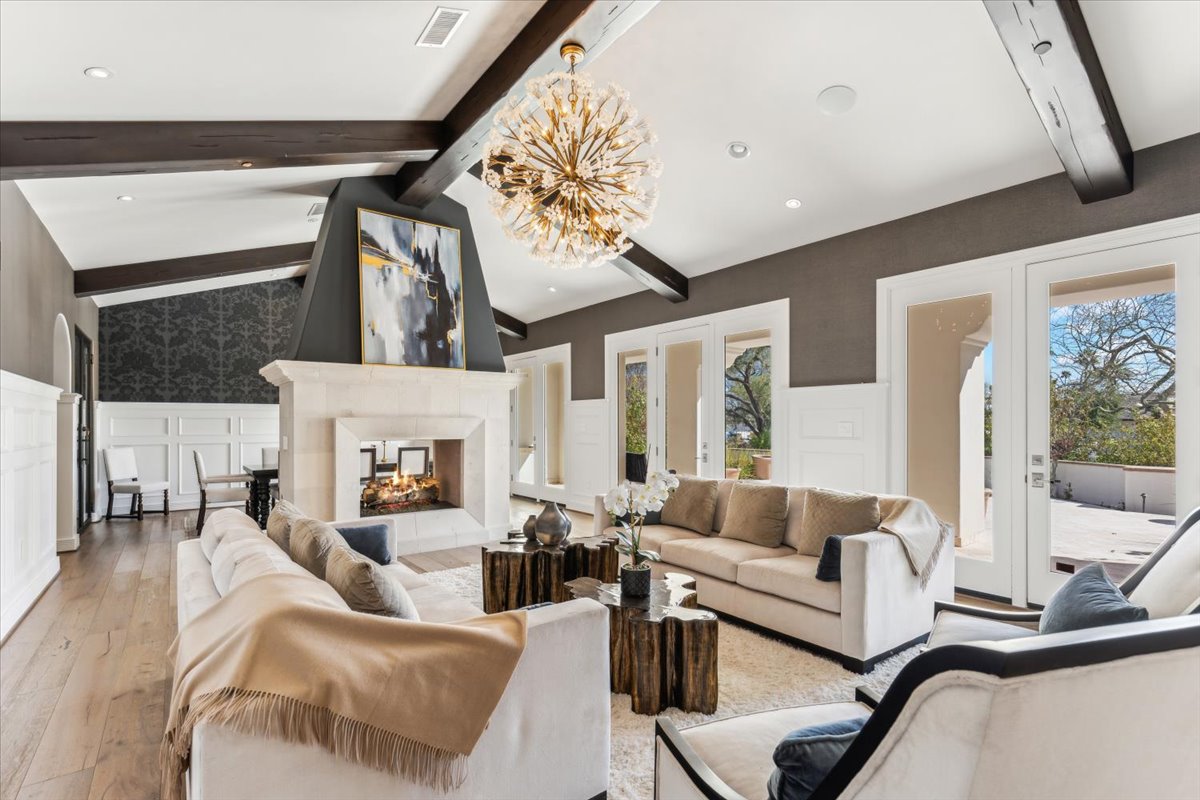
Natural stone flooring, carefully detailed millwork, steel-framed windows, custom glazing, and complex structural features can influence how a residence compares with competing homes. Still, the price someone originally paid for an improvement isn't necessarily the amount a future buyer will recognize.
Architectural cohesion often deserves as much attention as individual finishes. A house with a consistent design, strong room proportions, natural light, and purposeful indoor-outdoor connections may present more convincingly than a larger residence containing expensive but disconnected upgrades.
Consider the floor plan, too.
Does the primary suite have a useful relationship to the main living areas? Are the kitchen and entertaining spaces well placed? Can the home accommodate current technology without awkward modifications? Do additions feel integrated into the original structure?
And don't overlook construction documentation.
Permits, architectural plans, renovation records, contractor information, and equipment histories can help clarify the home's condition and the extent of completed work.
A listing price should reflect the residence buyers will actually encounter, not simply the amount its owner has invested over the years.
Examine The Views & Future Building Possibilities
Few property features create the same immediate impression as a well-positioned view of Camelback Mountain or Mummy Mountain. Certain estates also capture distant city lights, broad desert scenery, or unusually open sightlines.
But a view deserves closer examination than a photograph taken from the best corner of the backyard.
Where can it actually be enjoyed? From the primary living room? The main bedroom? The pool terrace?
The usefulness and visibility of a view can influence how much a particular buyer values it.
Future construction deserves attention as well. Paradise Valley has an established residential character, but that doesn't mean neighboring properties will remain unchanged.
An older home could eventually be replaced. Landscaping may grow. Changes to neighboring structures might alter a particular sightline.
The Town of Paradise Valley's Public GIS Maps Portal provides mapping resources for examining zoning, hillside designations, and other property information. Recorded restrictions may provide additional context.
A luxury listing advisor should look beyond today's photograph and identify material facts about nearby properties that may affect the view. No one can guarantee that every sightline will remain the same forever.
Hillside positioning introduces another layer. Elevated land may offer distinctive views, yet grading, building envelopes, construction access, and development restrictions can limit what is possible.
Those differences belong in the pricing conversation, particularly when the likely purchaser may want to renovate or rebuild.
Also Read: Can Future Construction Change My Views Of Paradise Valley?
Investigate Restrictions Before Assigning Extra Value
Potential is valuable only when it has a reasonable basis.
A Paradise Valley property might appear capable of supporting a guest house, expanded garage, additional living area, or substantial redesign. That doesn't establish that the proposed work is permitted.
The Town's building permit guidance addresses application requirements, including site plans and additional documentation for certain types of construction. Hillside-designated properties may face further review involving land disturbance, grading, and other site-specific matters.
And the current house itself might have characteristics that would be difficult to reproduce under today's applicable requirements.
That deserves attention.
An experienced real estate professional can help an owner identify which questions require an architect, surveyor, engineer, land-use professional, or Town review before redevelopment potential is included in a pricing recommendation.
Recorded easements and restrictions are also important. The Maricopa County Recorder's document search provides access to recorded documents, although interpreting their effect on a particular property may require professional title or legal review.
A seller doesn't necessarily need to commission an entire redevelopment study before listing.
Still, verified possibilities carry more credibility than speculative ones. That distinction can make a substantial difference when an owner is trying to justify a premium asking price.
Decide Which Improvements Are Worth Making
Here's where a good listing strategy can save an owner from an expensive mistake.
A dated kitchen doesn't automatically require replacement. An older bathroom doesn't necessarily justify a major renovation. And spending another $200,000 on improvements doesn't mean the listing price should increase by $200,000.
Sometimes the better decision is to sell as-is.
Before recommending work, a listing professional should distinguish improvements that may affect buyer perception from those unlikely to recover their cost.
A practical pre-listing assessment can examine:
- Visible condition: Paint, flooring, damaged finishes, and neglected repairs.
- Major systems: Cooling equipment, roofing, plumbing, and electrical concerns.
- Functional problems: Awkward spaces or features limiting everyday use.
- Presentation: Lighting, landscaping, staging, and photography preparation.
- Renovation economics: Estimated costs versus realistic pricing benefits.
- Likely purchaser: Someone seeking a finished home or a redevelopment site.
The last point is particularly important.
A property that primarily appeals to builders may gain little from an expensive interior remodel. A beautifully preserved estate aimed at an owner-occupant may benefit substantially from careful repairs and professional presentation.
And some improvements are more about removing objections than increasing the headline price.
Repairing a known defect can help preserve negotiating strength without necessarily producing a measurable dollar-for-dollar return.
The recommendation should weigh costs, time, likely buyer expectations, and the financial risk of doing too much.
A seller deserves alternatives, not an automatic shopping list of expensive upgrades.
Also Read: What Rules Govern Paradise Valley Hillside Home Remodeling?
Don't Ignore Outdoor Living & Hidden Expenses
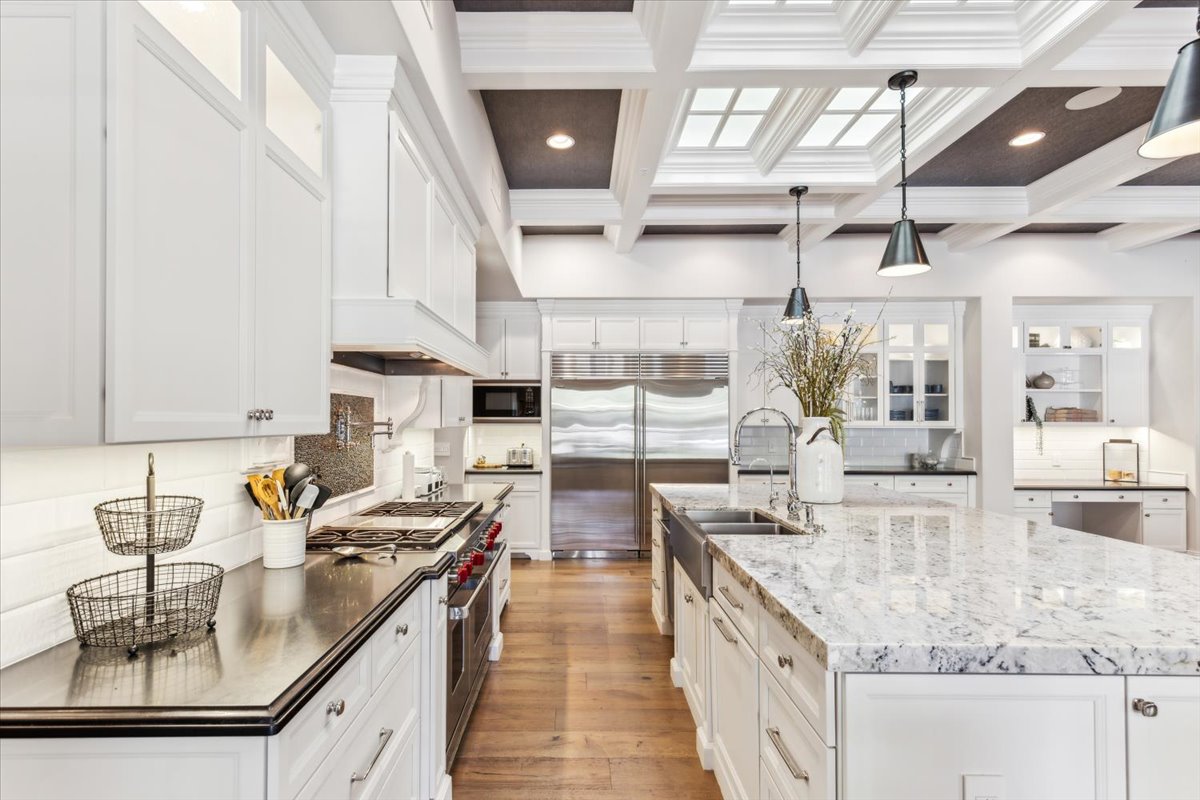
Paradise Valley estates often devote considerable attention to their grounds. Pools, outdoor kitchens, shaded terraces, guest accommodations, mature landscaping, and elaborate entertainment spaces can contribute to a property's appeal.
But size isn't the only measure.
A well-designed outdoor area can have a stronger relationship to the house than a much larger yard with limited usable space. Privacy, sun exposure, access, upkeep, and the placement of outdoor amenities deserve attention.
Outdoor improvements should be evaluated for their condition and usefulness, not simply their original construction cost.
The same principle applies to less visible features.
Multiple air-conditioning systems, aging roofs, pool equipment, home automation, and specialty mechanical installations can influence what buyers are willing to pay. A visually impressive estate may still carry substantial near-term maintenance expenses.
Drainage also matters. Desert washes, surface runoff, retaining walls, and grading can create property-specific questions, especially on unusual terrain. Town mapping records and appropriate inspections can help identify issues needing further review.
Then there's the property's operational history.
Service records, warranties, utility information, and documentation for major systems may help buyers evaluate the home with greater confidence. They may also reveal expenses that deserve consideration before the listing goes live.
A grand estate with neglected systems can face a very different negotiation from one with strong maintenance records.
Turn The Research Into A Defensible Listing Price
After examining the property, the land, and the competing inventory, it's time to establish an asking-price recommendation.
That recommendation should be more thoughtful than choosing a round number slightly above the highest nearby listing.
A useful pricing presentation should distinguish the suggested asking price from the likely range of negotiated sale outcomes. They aren't necessarily the same.
The owner and listing professional can review several practical questions:
- Comparable sales range: What have genuinely similar properties closed for?
- Price per square foot: Where does the property reasonably fit?
- Current competition: What alternatives are available to qualified buyers?
- Redevelopment demand: Is the land likely to attract builders?
- Expected marketing period: How does the proposed price compare with current demand?
- Seller proceeds: What might remain after negotiated concessions, transaction expenses, and other obligations?
The analysis should also account for how different price positions may affect buyer attention. An aspirational price can be reasonable in certain circumstances, but it needs supporting evidence and an honest discussion of the possible marketing consequences.
And the strategy shouldn't end once the property goes live.
Showing feedback, inquiries, qualified buyer activity, and newly closed transactions may provide useful information. None should be treated as an infallible signal. A handful of showings rarely establishes a home's exact value.
The same discipline applies to marketing. Professional photography, a strong property narrative, accurate listing information, and appropriate distribution help present the estate. They cannot manufacture value that the market refuses to recognize.
A thoughtful boutique brokerage may coordinate multiple specialties during this process, from luxury listing preparation and land evaluation to project-sales knowledge and specialized marketing. The benefit comes from combining those capabilities around the property rather than assuming every estate needs the same plan.
The objective is a listing price that the evidence can support, with enough flexibility to respond intelligently as the market provides new information.
Paradise Valley custom homes deserve that level of attention because two properties with nearly identical living areas can have completely different financial stories. One may be valuable for its architecture. Another for its irreplaceable setting. A third for what someone might build after the existing home is gone.
The best pricing conversations make those distinctions clear before the first listing photograph is taken. That's how a seller can evaluate the opportunities, recognize the tradeoffs, and choose an asking price with a clear reason behind it.
Also Read: Special Home Inspections For Arizona Luxury Estate Buyers


