


Arizona Home Appraisals In A Market Of New Fine Properties
Appraising A New Gen Of Homes
A newly built luxury home can introduce features that barely existed in its surrounding neighborhood ten years ago. Retractable glass walls. Dedicated wellness rooms. Garages designed around entire vehicle collections. And as residential architecture changes across Greater Phoenix, the properties available for comparison don't always keep pace.
This raises an interesting question about Arizona home appraisals. How does the market provide meaningful evidence of value when the residence being purchased represents something relatively new? From emerging communities in North Peoria to contemporary condominiums in Scottsdale, there's plenty to discuss.
Quick Points
- New construction can present unique appraisal circumstances
- Builder prices and market value can differ
- Recently established communities may have limited sales
- Construction specifications provide important property information
- Luxury condo comparisons introduce additional variables
- Appraisals and property inspections serve different purposes
When The Market Is Catching Up
New residential developments introduce inventory before an extensive history of comparable transactions necessarily exists. Someone purchasing one of the first completed homes in a new community may encounter a different appraisal process from someone buying within an established subdivision.
Consider Vistancia in North Peoria. Its various residential settings include contemporary single-family developments, golf course properties, and custom-built luxury homes. Comparing transactions across such a large master-planned community requires attention to the individual properties involved.
And proximity alone isn't everything.
Under its applicable lending guidelines, Fannie Mae addresses comparable sales within newly established subdivisions and condominium projects. Its requirements recognize that appraisers may encounter circumstances where completed transactions within the immediate development are limited or unavailable.
The selection of comparable properties remains the responsibility of the appraiser. Sometimes the best available market evidence extends beyond the streets immediately surrounding the residence.
Also Read: Luxury New Construction Home-Buying In Scottsdale, Arizona

The Price On The Builder's Sheet
Let's say a builder offers a particular floor plan starting at $1.5 million.
Add a premium homesite.
Select the upgraded kitchen.
Expand the garage.
Include a pool and extensive outdoor improvements.
Suddenly, the completed residence carries a substantially different price from the original advertised figure. And another home built from the same floor plan may have a different collection of improvements altogether.
This is one reason why comparing newly constructed properties involves more than identifying identical floor plans.
Builder transactions can also include incentives, such as contributions toward closing expenses or selected upgrades. The details behind those transactions can provide important context when appraisers examine market evidence.
Two seemingly identical sale prices may reflect considerably different purchasing arrangements.
Expensive Doesn't Automatically Mean Valuable
Someone commissions a custom home in Arizona with imported cabinetry, architectural steelwork, and a temperature-controlled garage for vintage automobiles. The construction invoices are impressive.
Does every dollar spent contribute an equivalent dollar to market value? No. The relationship between construction expenditure and what prospective purchasers are willing to pay is considerably more complicated.
Fannie Mae's cost approach guidance recognizes circumstances where construction-related analysis can support an appraisal, including assignments involving new or particularly unusual properties.
Among the characteristics that can distinguish fine homes are:
- Architectural design and construction quality
- Specialized glazing systems
- Custom cabinetry and millwork
- Integrated residential technology
- Detached guest accommodations
- Extensive garage improvements
- Outdoor kitchens and swimming pools
Some features may have broad market appeal. Others reflect the highly individual preferences of the person who commissioned the residence.
A home theater designed around a particular collection of vintage equipment, for example, might fascinate one prospective purchaser while carrying little personal appeal to another.
Also Read: Greater Phoenix Home Prices & Buyer Demand In Late 2026
Before The Paint Dries
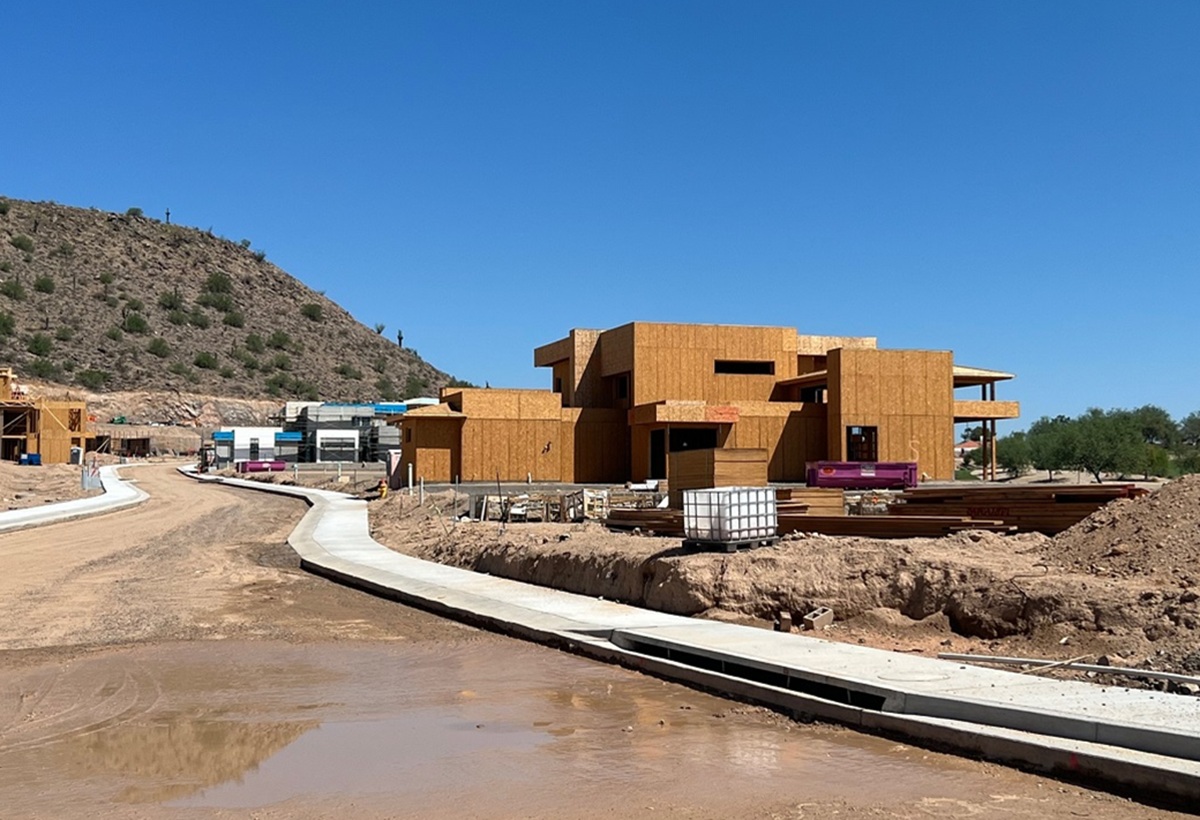
There are circumstances in which a residential appraisal concerns a property that hasn't been completed.
That's quite different.
The appraiser may be working with architectural drawings, construction specifications, and information describing improvements that don't yet physically exist. The finished kitchen could still be several months away. So could the landscaping.
For applicable mortgage programs, Fannie Mae publishes requirements concerning proposed construction and completion verification. These guidelines address the information used to evaluate proposed improvements and the documentation associated with verifying completion.
Changes made during construction can introduce further considerations. Perhaps the purchaser adds a detached structure or modifies portions of the original interior design.
And what eventually gets built may differ from the original architectural drawings.
The lender and appraisal professionals involved in the transaction can explain the requirements associated with the individual assignment and financing program.
A Different World Above Ground
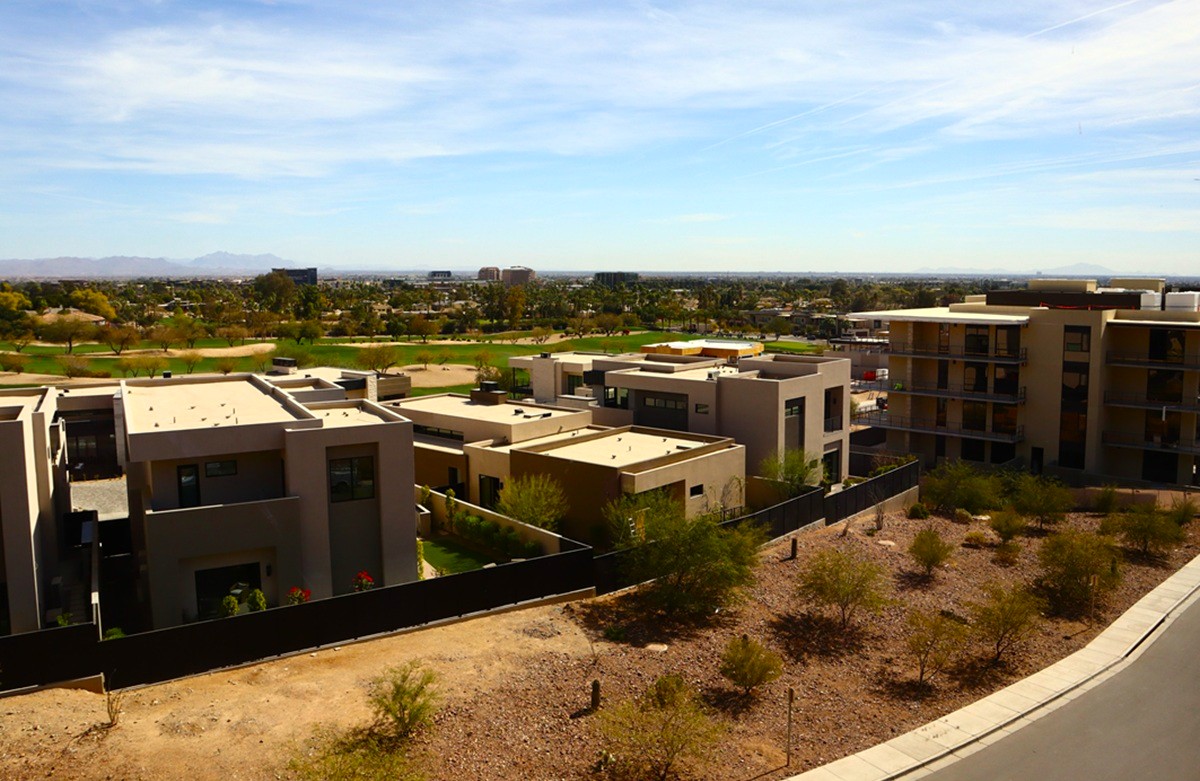
Arizona's newer luxury condominium developments introduce another interesting dimension to residential appraisals. Floor height, orientation, terrace configuration, and the physical position of a residence within a building can distinguish units that otherwise share similar layouts.
Take a project such as Optima McDowell Mountain, with its contemporary architecture, substantial terraces, and phased development. A residence overlooking the surrounding mountains may have considerably different characteristics from another positioned toward the interior of the development.
Same building. Different setting.
New luxury condominium properties can introduce several points of comparison:
- Interior living area
- Floor level and orientation
- Private outdoor space
- Parking and storage arrangements
- Interior finish selections
- Common-area amenities
- Association expenses
The available transaction history may also change considerably as additional residences close escrow and enter the resale market.
A development's initial sales provide one collection of market information. Subsequent resales can contribute another, reflecting transactions involving individual property owners rather than the original developer.
Also Read: Tips For Purchasing A Condo During The Pre Construction Phase
What Photographs Don't Tell You
Spend some time reviewing newly constructed luxury homes online. Beautiful kitchens tend to receive plenty of attention. So do swimming pools and dramatic architectural features.
But what about everything behind the walls?
A residence may contain substantial mechanical equipment, acoustic insulation, specialized ventilation, or residential automation components that aren't immediately apparent in listing photographs. Even two nearly identical contemporary kitchens might contain cabinetry and appliances representing very different levels of construction expenditure.
Property specifications can provide additional context. Architectural plans, improvement descriptions, and information concerning the home's major systems may help distinguish what was actually constructed.
There's another distinction worth making here. An appraisal is not a comprehensive home inspection. An appraiser's observations concerning property condition serve a different purpose from an inspector's examination of the residence and its systems.
New construction doesn't change that distinction.
Questions concerning workmanship, equipment performance, or construction deficiencies belong with the appropriate inspectors and qualified specialists.
One Market Or Several?
Greater Phoenix covers a substantial geographical area. And the residential inventory varies enormously.
A newly constructed waterfront residence in Gilbert or Chandler may appeal to a different segment of the market from a contemporary desert home in North Scottsdale.
A high-rise penthouse introduces yet another set of property characteristics.
Regional averages can provide useful context concerning broader housing activity, but they combine transactions involving numerous property types and locations. They don't necessarily describe what is happening within a particular luxury development.
Time matters, too. A comparable sale from several months earlier may reflect different market conditions, while a more recent transaction could involve a residence with substantially different physical characteristics.
The newest comparable isn't automatically the most appropriate one.
Determining the relevance of available sales, including any differences in location or transaction timing, falls within the appraiser's professional responsibilities.
Also Read: Home Construction Advances At Haven In North Scottsdale

When The Numbers Differ
A seller establishes an asking price. A purchaser makes an offer. The parties eventually reach an agreement.
Then an appraisal is performed.
The resulting opinion of value may differ from the amount the parties agreed upon. This can happen with established properties and newly constructed residences alike.
The Consumer Financial Protection Bureau describes an appraisal as an independent assessment of property value. When mortgage financing is involved, that assessment may become part of the lender's evaluation of the proposed loan.
Different financing programs have different requirements, particularly within the luxury market, where transactions may involve jumbo mortgages or specialized private banking arrangements.
Questions concerning the effect of an appraisal on a particular loan belong with the mortgage professional handling the transaction.
And cash purchasers may independently commission appraisals for their own purposes, even without mortgage-related requirements.
Different Professionals, Different Roles
Arizona real estate agents routinely work with property listings, comparable transactions, and information concerning local housing markets. Independent appraisers perform a separate professional function.
The distinction matters. Under A.R.S. § 32-3602, Arizona-licensed real estate brokers and salespersons acting in that capacity may provide opinions concerning real estate prices, provided those opinions are not represented as appraisals.
Real estate professionals can provide information concerning available inventory, recent transactions, and property characteristics within their professional competence. An appraisal represents an independent assignment conducted by the appropriate appraisal professional.
As Arizona continues adding fine homes, the market will accumulate more transaction history involving newer architectural styles, contemporary construction methods, and increasingly specialized residential features.
Today's brand-new properties will eventually become tomorrow's resale inventory. Some will provide meaningful comparisons for homes that haven't even been designed yet.
That's one of the more interesting aspects of a residential market undergoing architectural change. The evidence available today is continually being supplemented by what gets built and sold next.
Also Read: The Five Primary Ways We Help You Learn Arizona’s Market


