


What Things Should I Know Before Moving To Paradise Valley?
Moving To Paradise Valley?
Paradise Valley can fool you at first glance. The homes grab attention, then the town itself explains why people stay. If you're asking what things should I know before moving to Paradise Valley, start with the way the place was built. Space matters here. So do views, land, zoning, privacy, & access to Scottsdale & Phoenix. Once you get that, the rest starts making sense.
Quick Points
- Paradise Valley became an incorporated town in 1961
- One-acre residential zoning shaped much of PV
- School assignments can surprise new residents
- Estates can differ lot by lot
Know The Town Before You Pick A House
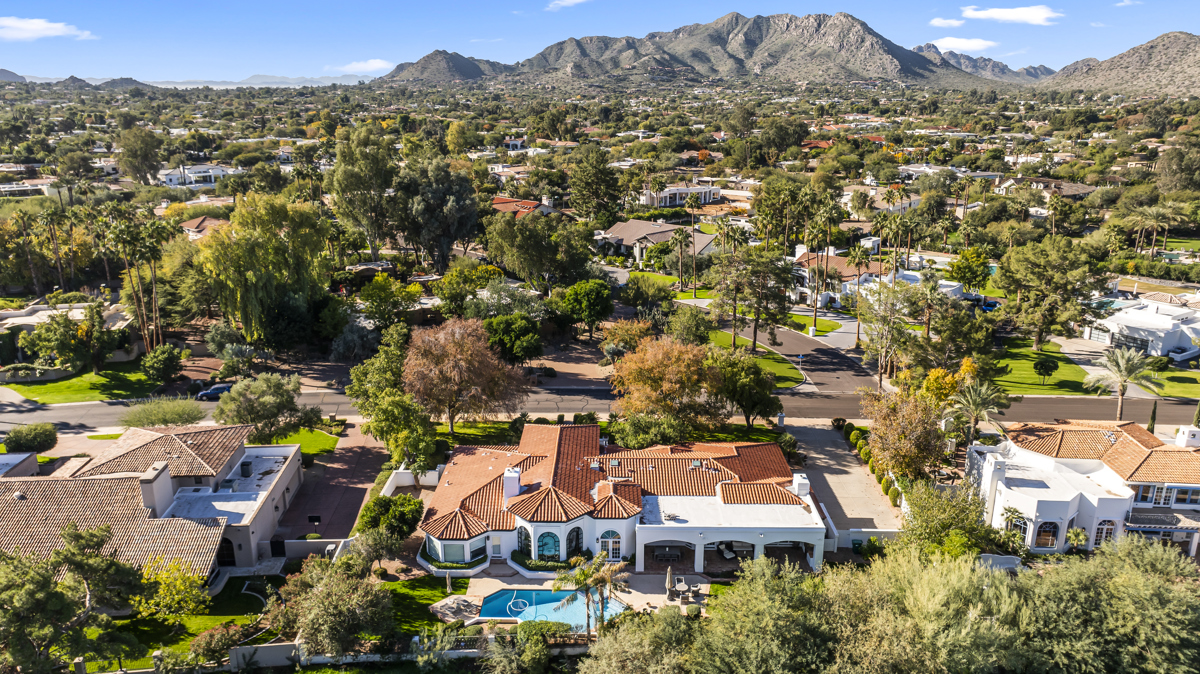
Paradise Valley is its own incorporated Arizona town, not a Phoenix neighborhood or part of Scottsdale. Residents incorporated it in 1961 as Phoenix & Scottsdale expanded around them. One goal drove much of that move: preserve a low-density residential setting built around large parcels. That idea still shows up in the Town's planning rules. Paradise Valley covers about 15.4 square miles, & its 2025 population estimate was 12,774. More than three-quarters of the Town's planning area is classified as single-family residential land. That low-density pattern is one of the first things a buyer should grasp.
- Incorporated in 1961
- About 15.4 square miles
- Large residential parcels set the pattern
- Commercial uses remain limited
- Phoenix & Scottsdale surround the town
You won't find a conventional downtown or a strip of stores running through the center of town. Resorts, schools, places of worship, golf properties, & selected uses operate under a planning system built around residential land. That means many errands happen across the municipal line. Scottsdale & Phoenix handle much of the shopping, dining, business, & entertainment that PV residents use.
Read The Lot Before You Read The House
A Paradise Valley house can look perfect online & still sit on the wrong parcel for what you want. That's because land carries an unusual amount of weight in this market. Lot orientation can change Camelback Mountain views, Mummy Mountain views, afternoon sun, driveway approach, privacy, redevelopment options, & how a future house may sit on the site. Hillside properties create a different set of questions from flatter estate parcels. Older ranch homes may also sit on land that attracts buyers planning a major rebuild. Then there are gated enclaves, golf properties, cluster developments, & legacy subdivisions, each with its own setup.
- Check the view corridor
- Study setbacks before planning additions
- Ask about hillside rules
- Confirm any HOA structure
- Verify sewer or septic
- Identify the water provider
The one-acre idea needs a little context too. The Town's General Plan protects the predominant one-acre single-family pattern, while acknowledging existing smaller lots, cluster developments, & resort-related housing. So don't use acreage alone as your test.
Utilities deserve attention before you buy. Different parts of town can have different water providers, different sewer providers, & some properties still use septic systems. Trash collection also comes from private companies rather than a town-run residential service. In PV, two homes a few streets apart can have different infrastructure details.
Build Daily Life Around The Edges
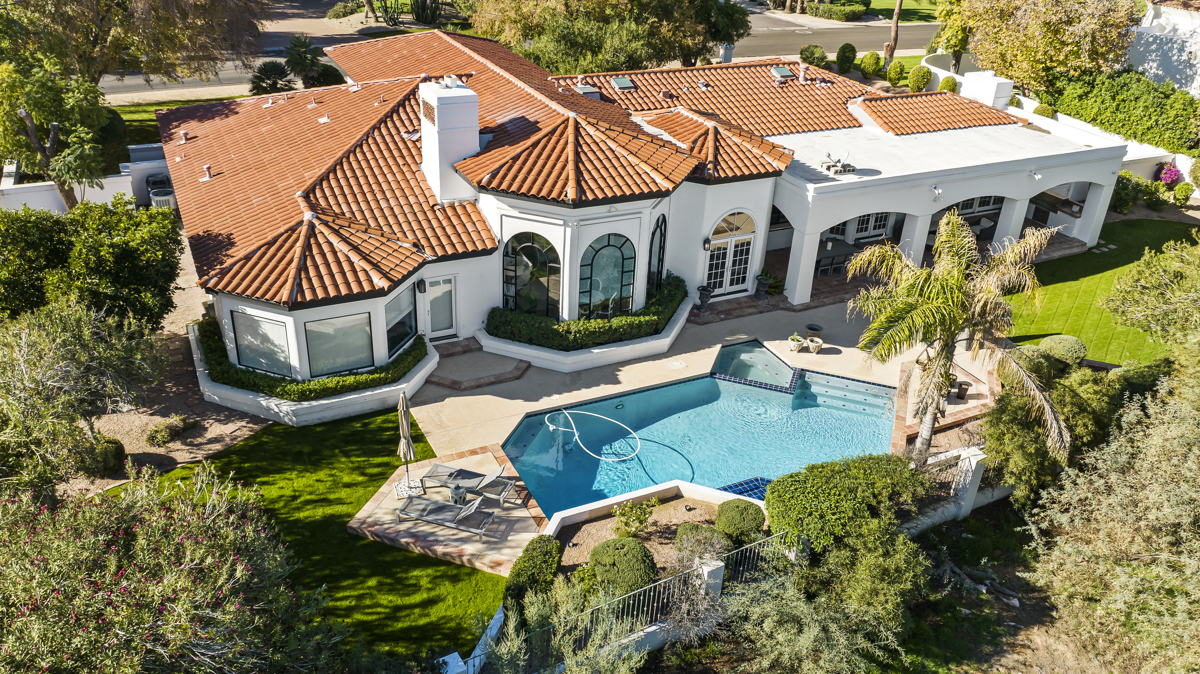
Living in Paradise Valley tends to put the house at the center of the day. Large lots make room for pools, gyms, offices, guest spaces, gardens, garages, & outdoor living areas. The town itself doesn't revolve around a pedestrian-friendly retail core. You generally drive into Scottsdale or Phoenix for groceries, shopping, nightlife, & many services. That tradeoff is part of the original town plan. PV keeps residential density low, then borrows much of its city life from the places around it.
- Camelback Mountain shapes many south-facing views
- Mummy Mountain runs through central PV
- Resorts form part of town life
- Golf sits close to residential areas
Resorts have been part of Paradise Valley for generations. Camelback Inn dates to the 1930s, while Mountain Shadows, Sanctuary Camelback Mountain, & other properties became part of the town's identity over time. The Ritz-Carlton Residences development near Scottsdale Road represents another chapter in that resort-residential pattern. Resort projects operate differently from standard residential parcels through the Town's Special Use Permit process.
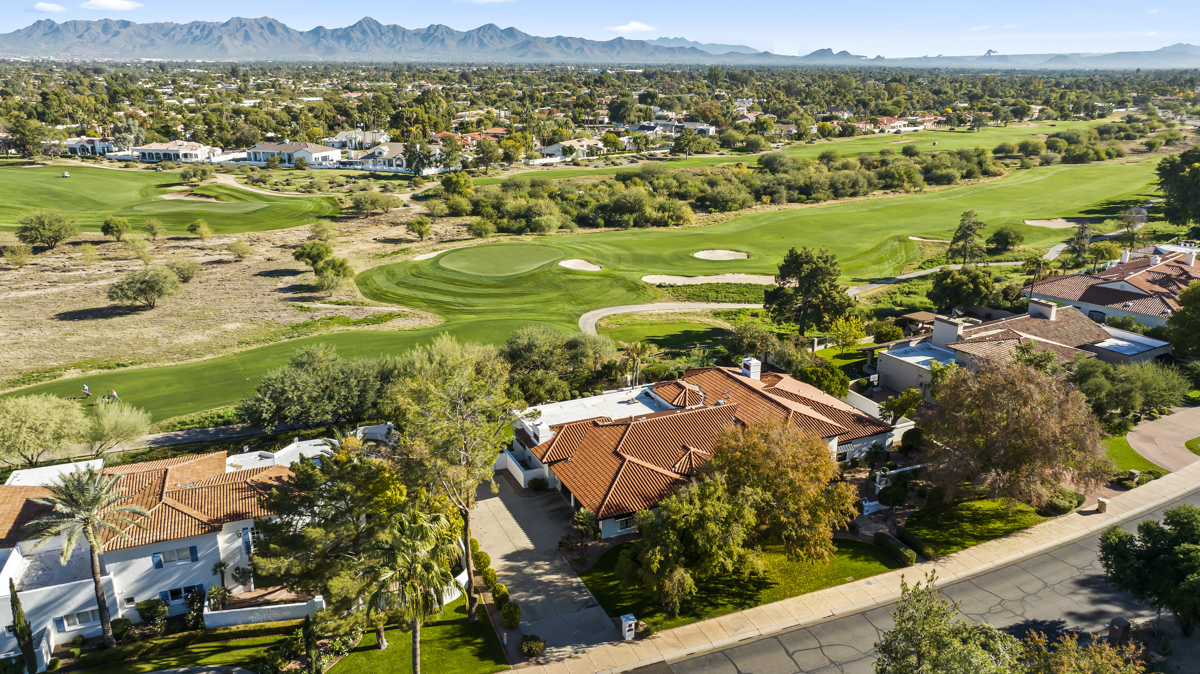
Golf matters here too. Paradise Valley Country Club has roots going back to the 1950s, & Camelback Golf Club puts fairway living into part of the residential map. More courses sit across nearby Scottsdale. If golf ranks high on your list, look at the house, the fairway position, cart traffic, maintenance areas, & backyard exposure before focusing on the scorecard.
Summer also changes the rhythm. Shade, HVAC capacity, garage cooling, irrigation, pool equipment, roof condition, window exposure, & outdoor materials deserve attention during a home search. A house built around Arizona weather usually lives differently from one transplanted from another climate.
Get The School Boundaries Right
Here's a detail that trips people up. The Town of Paradise Valley does not automatically mean Paradise Valley Unified School District. Many town addresses connect to Scottsdale Unified School District schools. The Town's own school list includes Cherokee Elementary & Kiva Elementary inside Paradise Valley, with middle-school & high-school assignments that may lead into Scottsdale. Phoenix Country Day School also sits inside town limits as a private-school option. Always verify the assigned schools for the exact property address before buying.
- Cherokee Elementary sits inside PV
- Kiva Elementary sits inside PV
- Phoenix Country Day is in town
- Middle schools may sit outside PV
- High schools may sit outside PV
That distinction matters because "Paradise Valley" appears in several Greater Phoenix place names. Paradise Valley Unified School District serves a separate area centered farther north. A mailing address, school name, ZIP code, & municipal boundary shouldn't be treated as interchangeable.
Think Like A Paradise Valley Buyer
Paradise Valley real estate functions as its own high-end submarket inside Greater Phoenix. Buyers often pay close attention to land, mountain exposure, architecture, privacy, street position, remodel history, construction quality, & future building potential. That creates huge differences between properties that appear similar by square footage alone. One estate may sit against Mummy Mountain. Another may occupy a flat acre near a golf course. Another could be a newer gated residence tied to a resort setting. The address gets you into PV. The parcel tells you what you actually own.
- Acreage matters
- Views can change value
- Architecture varies by street
- Gated communities have different rules
- Rebuild potential deserves its own review
You'll find mid-century ranch homes, Mediterranean estates, contemporary builds, hillside houses, gaurd-gated compounds, & new custom construction throughout town. That variety is part of why comparing PV homes by price per square foot alone can miss the point.
Public figures, athletes, founders, executives, & longtime Arizona families have also chosen Paradise Valley through the years. Privacy plays a role. So does the ability to own land near Scottsdale, Phoenix, resorts, golf, & the mountains without living in a dense city setting. That's a hard combination to copy.
Clear Up The Common Mix-Ups
A few questions come up again & again when people begin researching a move. They're worth clearing up early because search results often mix Paradise Valley with nearby areas carrying similar names. Municipal lines also don't always match school assignments, mailing labels, or people's casual use of "PV." The town has its own government, zoning code, planning process, & history. Its identity started taking shape long before the current luxury housing market arrived. Know the boundary first, then judge the property.
- Is PV its own town? Yes, since 1961.
- Does every lot span an acre? No, exceptions exist.
- Is there a downtown? No conventional retail core.
- Which public district? Often Scottsdale Unified. Verify address.
One last point matters. Paradise Valley works for buyers who value a home-centered setting, land, low density, mountain presence, & quick access to the rest of "The Valley." It won't feel like Scottsdale, Arcadia, or a master-planned suburb. That's the point.
Keep Reading Before You Move
If you're researching living in Paradise Valley, the next useful step is getting specific. Read the town's history. Compare its residential pockets. Look at daily life, golf, & the main Paradise Valley community page. Those pieces fill in details that can't fit into one relocation article. Here are few places to continue reading.
- Also Read: History Of Paradise Valley
- Also Read: Paradise Valley Lifestyle Guide
- Also Read: Paradise Valley Neighborhoods
- Also Read: Paradise Valley Golf Courses
Moving to Paradise Valley starts with the house. Making the right move starts with the parcel, the boundary, the daily routine, & the details around it. That's where PV becomes much easier to read.


