


What Should I Expect When Pricing A Home In Paradise Valley?
What Should I Expect When Pricing A Home In Paradise Valley?
Pricing a home in Paradise Valley takes more than pulling nearby sales, checking square footage, & choosing a round number. The town works like its own market. A custom estate on a flat acre can draw one buyer pool. A mountainside property with a limited building pad can draw another. New construction creates another lane. Then you have older homes whose value rests in the land beneath them. That changes the math. Fast.
Quick Points
- Paradise Valley requires parcel-level pricing
- Land can outweigh the existing house
- New construction follows a separate range
- Topography can shift buyer demand
- Early overpricing can hurt later interest
Also Read: Paradise Valley Ranked Among America’s 10 Priciest ZIP Codes
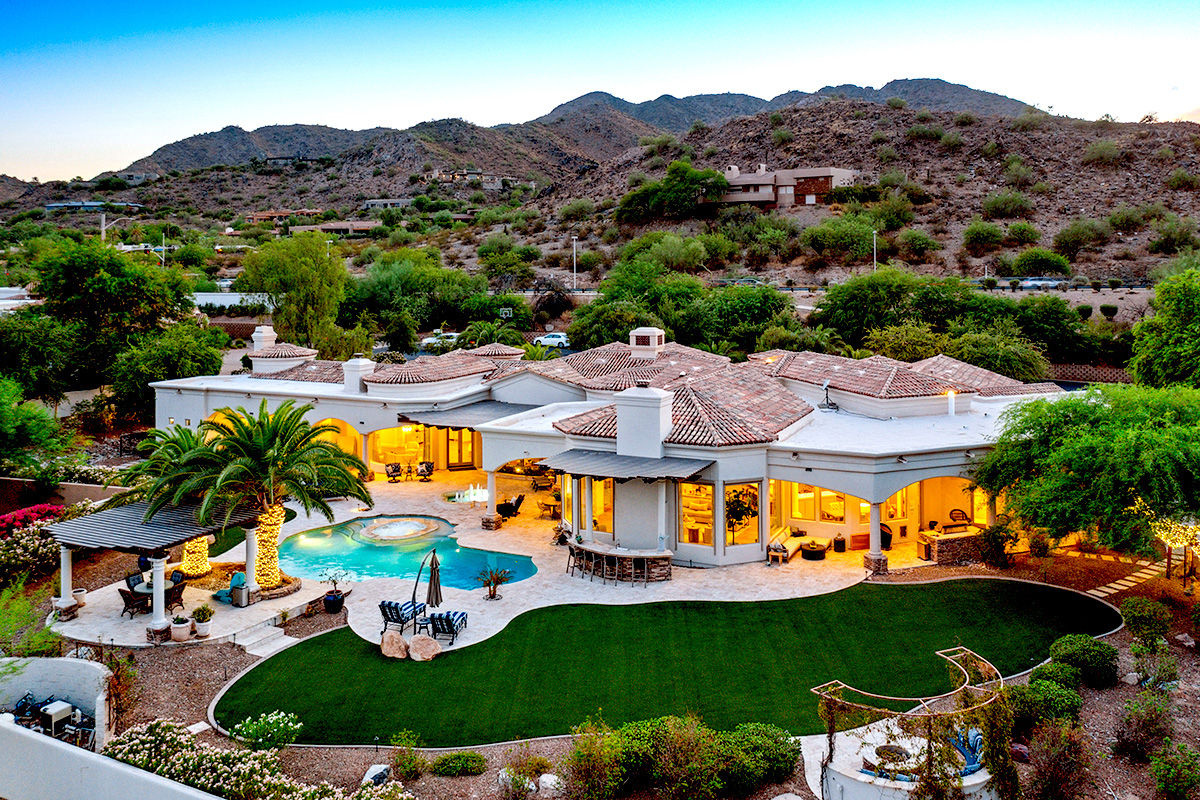
Read The Mid-2026 Market With Care
Start with the numbers, then question them. Mid-2026 data places the Paradise Valley median sale price near $4.4 million, based on Redfin’s three-month measure ending in May. Homes took about 91 days to sell, up from 66 days one year earlier. Realtor.com reported a median list price near $5.5 million, a 95% sale-to-list ratio, & roughly 93 days on market. Zillow showed a June median list price near $4.58 million, 196 listings, & 79 median days to pending. Those figures differ because each site tracks inventory through its own method. Still, each one points to the same basic condition. Buyers have choices, & they’re taking time before they act.
- Median figures provide context
- Active competition shapes your launch
- Buyer patience has increased
- Price gaps invite negotiation
- Portal methods produce different totals
The broader housing market adds pressure. National list prices fell 2.4% year over year in July 2026, while 20% of listings carried a price cut. Phoenix posted a 28.7% price-cut share in June. Paradise Valley still commands a premium within Greater Phoenix, yet it doesn’t operate outside buyer psychology. Sellers need a sharper opening number than they did during the market rush of prior years.
Price The Site Before The Structure
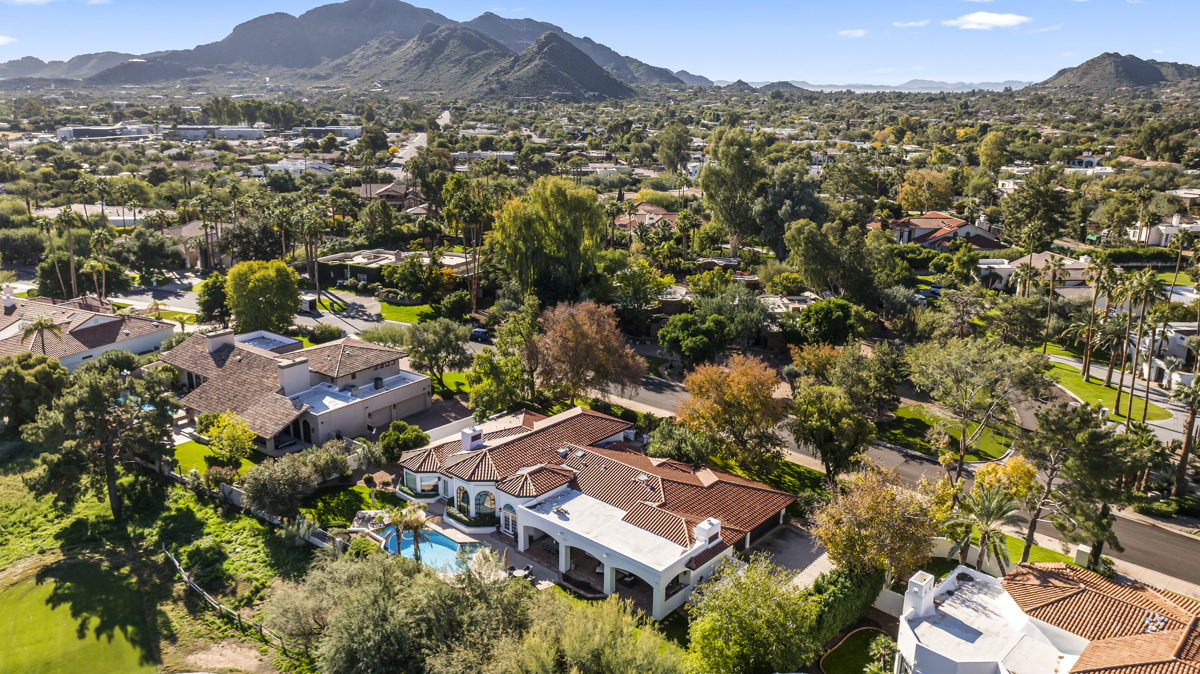
Here’s where Paradise Valley breaks away from standard suburban pricing. The town grew to roughly 16 square miles, & most residential land carries zoning of one residence per acre. Large, connected tracts have become scarce. New supply often comes from existing parcels instead of a master-planned subdivision on open ground. That process falls under the broad idea of infill. The EPA describes infill as development or redevelopment on vacant or underused land inside an established area. In Paradise Valley, that can mean removing an older house, working within existing streets, & building a new custom residence on the same parcel.
- Study the lot before the floor plan
- Check slope, drainage, & building area
- Review setbacks before assigning value
- Confirm utilities & access
- Price demolition into the land equation
- Measure view corridors from living areas
A developer seeking several projects may need to buy separate lots across town. The builder can repeat a small group of plans, yet each home sits in a different setting. One may land near Mummy Mountain. Another may sit closer to Lincoln Drive. Another may face Camelback Mountain. The plan may repeat. The parcel never does.
That’s why existing square footage can distort land value. A 4,000-square-foot house on a strong acre may look expensive by the foot, while the parcel may still work for redevelopment. A larger house on a compromised site may show a lower figure without offering the same building case.
Also Read: Is Paradise Valley Good For A Second Home Or Vacation Estate?
Sort Teardowns From Finished Homes
A low price per square foot doesn’t turn a property into a teardown on its own. It starts a discussion. In local mid-2026 fieldwork, some buyers use roughly $1,400 per existing square foot as a screening line for certain Paradise Valley properties. Homes below that mark may receive added scrutiny from builders or buyers planning major work. Yet townwide market data sits well below that figure, with Redfin reporting a median sale price per square foot near $776 for ZIP code 85253. Realtor.com placed the active median near $1,017 per square foot. Those averages include different property types, ages, lot conditions, & locations. A blanket $1,400 rule would mislabel many sound residences.
- Study the home’s effective age
- Review prior renovation permits
- Inspect ceiling heights & room scale
- Measure indoor-outdoor flow
- Test demand for the architecture
- Separate repair costs from land value
Public listings show the spread. A 2026 new-construction home listed near $12.49 million offered about 7,810 square feet, placing it near $1,600 per square foot. Other new listings have appeared closer to roughly $980 to $1,100 per square foot. At the trophy end, a $27.5 million mountainside home with approximately 14,200 square feet reached about $1,940 per square foot. A separate $30 million listing with roughly 12,440 square feet exceeded $2,400 per square foot. These are asking prices, not closed-sale proof. They still show why one range cannot cover the entire town.
For sellers, the lesson stays simple. Price per square foot serves as one lens. Use it. Then move on. The buyer will also measure the lot, build quality, architecture, condition, privacy, grade, & view.
Match The Right Community Lane
Paradise Valley contains a patchwork of subdivisions, gated enclaves, resort-area residences, hillside parcels, & homes without a formal neighborhood identity. You may hear names such as Mummy Mountain Park, Judson Estates, Cheney Estates, Finisterre, Ritz-Carlton Residences, Echo Canyon, Lincoln Estates, Mountain Shadows, Casa Blanca, Camelback Country Club Estates, Paradise Reserve, & Palo Verde Foothills. Those names help buyers place a home in context. They don’t produce an automatic price. A sale in Mountain Shadows may reflect resort proximity or an attached housing format. A sale in Mummy Mountain Park may turn on elevation, grade, or a view corridor. Judson Estates may enter a buyer’s search for gated property, yet the home still needs its own comparison set.
- Compare the same property type
- Match similar lot size
- Separate hillside from flat parcels
- Account for gated access
- Review view direction
- Match construction era
- Check renovation depth
Clearwater Hills deserves special care in marketing. Buyers often discuss it alongside Paradise Valley communities, & many listings use the Paradise Valley mailing address. Town history identifies Clearwater Hills as a county island surrounded by the town rather than land inside the municipal boundary. That distinction matters in listing copy, pricing analysis, permitting research, & buyer discussions.
Avoid assigning a fixed premium to any community name. Closed sales may be thin. One sale may feature a buildable acre. The next may sit on a steep site with limited expansion room. Use the community as a filter, then price the actual parcel.
Also Read: The Most Sought-After Neighborhoods In Paradise Valley
Put Topography Into The Number
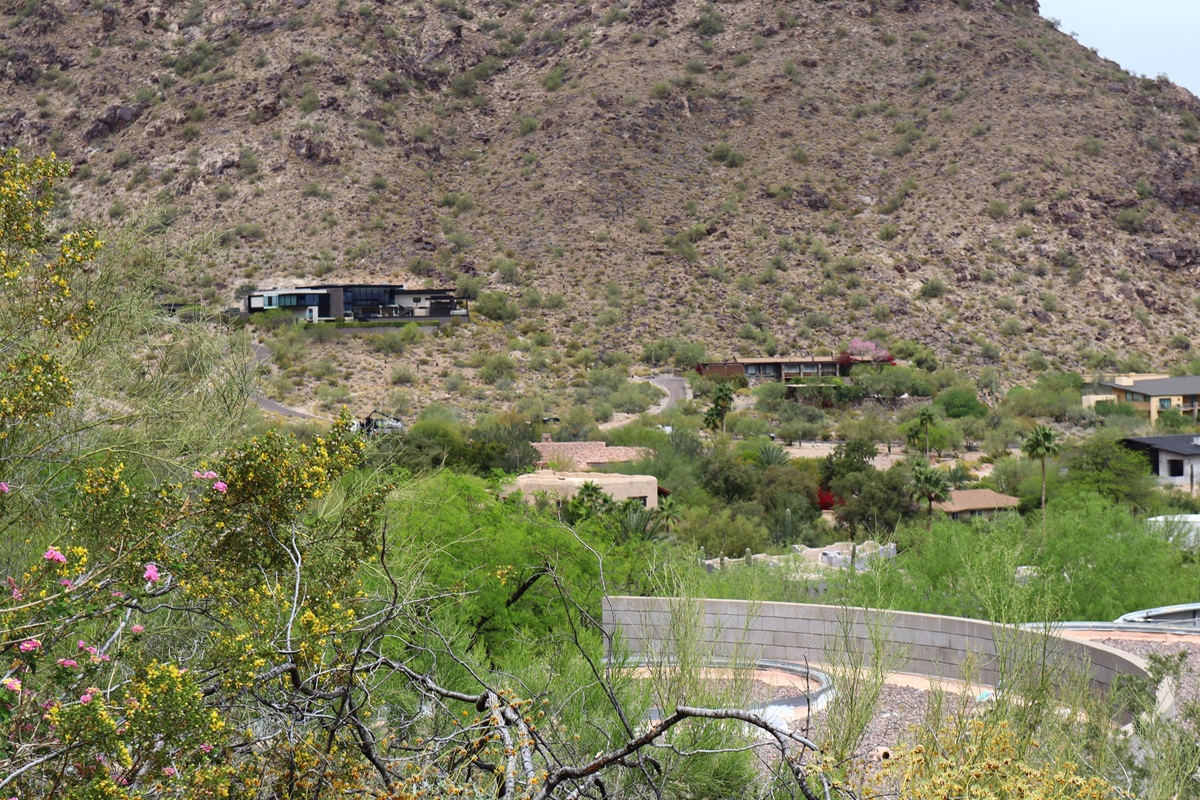
Views sell attention. Buildability supports value. Paradise Valley has homes on flat lots, sloped parcels, mountain foothills, & sites cut into rock. A high position may provide city lights or a direct mountain frame. It may also add grading work, access limits, drainage review, & construction cost. The town’s Hillside Building Committee reviews matters that include land disturbance, height, materials, lighting, grading, & drainage. Hillside development rules may apply where slopes reach 10% or more. A seller should never price the view without studying the development limits around it.
- Locate the usable building pad
- Test driveway access
- Study retaining structures
- Review drainage paths
- Note protected view corridors
- Confirm hillside review needs
Good topography means more than elevation. It can mean a flat building area, a usable yard, & a home placed to frame Camelback Mountain without forcing major site work. Buyers may pay for a view. Builders still price the work required to reach it.
This point matters for older mountainside homes. The existing structure may have value because it already occupies a position that would take time or added review to reproduce. A demolition plan needs more study than the house’s age & finish level.
Also Read: Why Is Real Estate So Expensive In Arizona’s Paradise Valley?
Let New Construction Set Its Own Bar
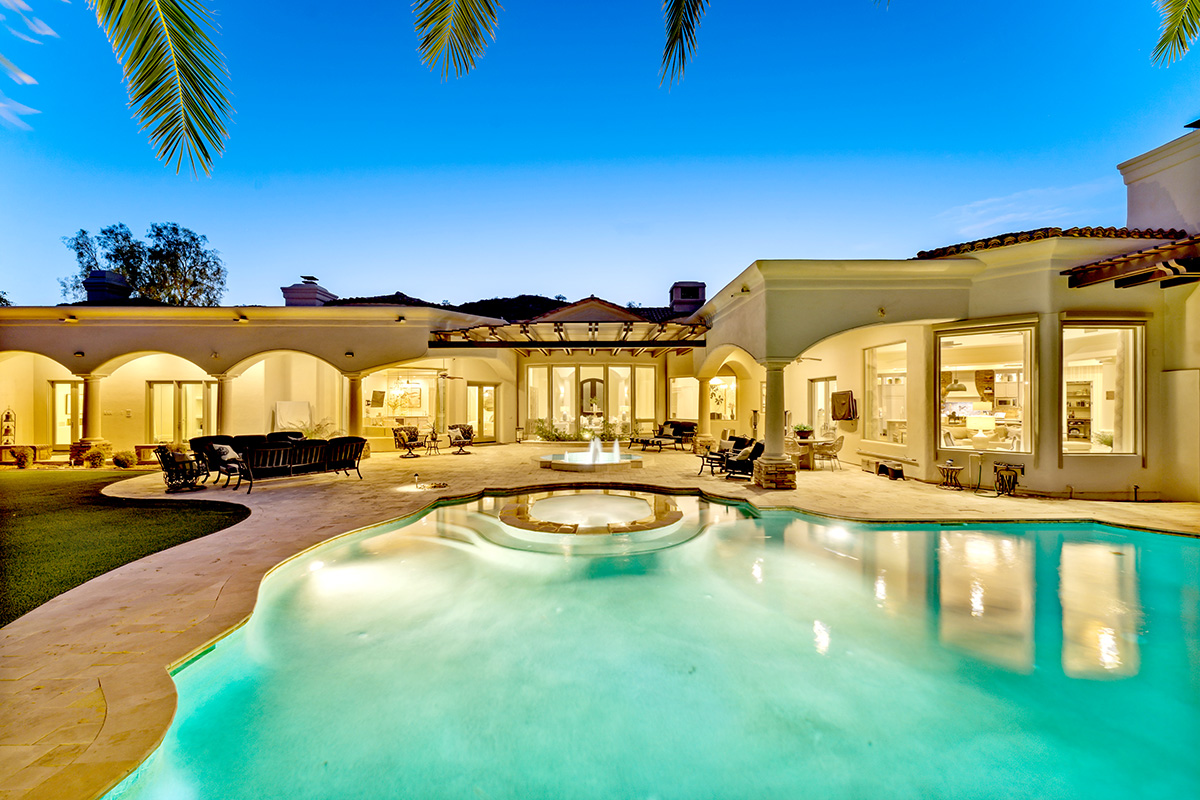
New construction competes on a different scorecard. Buyers often look for current architecture, larger glass openings, single-level living, covered outdoor space, a guest house, & a garage sized for a collection. They may also expect a kitchen supported by prep space, ceiling height that matches the room scale, & systems tied into one control plan. Those features cost money to build. Public construction guides for Paradise Valley placed fully custom work in broad 2026 ranges from roughly $650 to above $1,500 per square foot, before the full effect of land, design work, site conditions, & exterior improvements. Complex estates can run higher. Those estimates describe construction cost, not resale value.
- Compare recent builds with recent builds
- Check total project quality
- Review architect & builder history
- Price the site work
- Separate asking prices from sales
A newer home may justify a premium without reaching $2,000 per square foot. A special residence may exceed that level. The market decides through closed sales, active competition, & buyer response.
This is where sellers can get trapped. Replacement cost can support a pricing discussion, yet buyers don’t reimburse each dollar spent. A personal finish may carry a high invoice without drawing the same amount at resale. The listing price needs market proof.
Protect The First Month On The MLS
The opening price shapes the listing story. Buyers receive new-listing alerts within minutes. Agents compare the home against active competition before booking a showing. A price that jumps too far above the evidence can reduce early traffic. Then the listing ages. A reduction may bring the number into range, yet buyers may still ask why the property has remained available. They see the current price first. Many won’t study every prior reduction before moving to the next option.
- Launch near the evidence
- Avoid testing an unsupported number
- Watch showing volume
- Track agent feedback
- Review digital engagement
- React before the listing feels stale
This problem carries added weight in a market where homes can take roughly three months to sell. A long marketing period doesn’t prove that a home has a flaw. Still, an inflated opening number can create that impression. Paradise Valley buyers have enough inventory to skip a property that feels hard to explain.
Price reductions can work. The timing matters. One planned adjustment may reset attention. Repeated cuts can make the seller look reactive. Build the first number from closed sales, active listings, pending competition, failed listings, & the property’s land case.
Also Read: Paradise Valley Begins Major Zoning Code Rewrite After Decades
Build The Price From Evidence
A sound pricing plan uses several views of the property. Start with closed sales from the closest property lane. Then study active homes competing for the same buyer. Review pending listings where reliable facts are available. Add expired or withdrawn homes to learn which numbers failed. Next, assign value to the parcel. Then review the house as finished space, renovation space, or redevelopment space. Finish with a range rather than one wish-driven figure.
- Closed sales show completed decisions
- Active listings show current competition
- Pending homes show buyer movement
- Failed listings expose resistance
- Land sales support redevelopment math
- Build quality shapes the adjustment
- Marketing response tests the launch
The lower edge for detached Paradise Valley inventory can sit around the mid-$2 million range during parts of 2026, while attached residences or unusual cases may appear lower. That doesn’t make every property near that level a teardown. It signals that entry pricing in the town already starts high. At the other end, public listings have reached $30 million, $40 million, & beyond. The gap between those ends calls for discipline, not hype.
Many celebrities live in Paradise Valley. Public reporting has connected former homes or residence histories to Muhammad Ali, Alice Cooper, Emma Stone, Steve Nash, & Kurt Warner. That history supports the town’s link with privacy-focused buyers. It doesn’t justify naming current owners, guessing at residency, or using private client ties in marketing. Williams Luxury Homes doesn’t disclose whether a public figure has used its services. Public endorsements stand on their own.
So, what should I expect when pricing a home in Paradise Valley? Expect a parcel review, a construction review, a buyer-pool review, & a hard look at current competition. Expect the land to carry weight. Expect custom homes to resist simple formulas. Most of all, expect the opening number to follow the evidence. That gives your home a cleaner story when it reaches the MLS.
Market figures change. This article provides general market commentary, not an appraisal or legal opinion.
Also Read: Year-Round Living Vs Seasonal Snowbirds In Paradise Valley
Written by Aaron Auxier
Aaron Auxier has been a licensed real estate agent since 2004. Additionally, as a Topical Expert to the media, he has made 50+ appearances in the MSM including Fortune, CNBC, New York Times, Forbes, ET, Travel Channel, and Nat Geo.


