


What Is It Really Like To Live In The Greater Phoenix Metro Area?
What Is It Like To Live In Greater Phoenix? Complete Local Guide
Living in Greater Phoenix means you’ll get used to extreme summer heat, long drives, and a lifestyle that revolves around your car. On the flip side, you’ve got 300 days of sunshine, housing that’s easier on the wallet than coastal cities, and hiking trails that start basically at your doorstep.
Greater Phoenix offers a distinct quality of life where mild winters and outdoor recreation balance out scorching summers and urban sprawl. It’s a lifestyle that appeals to buyers looking for more space, sunshine, and access to outdoor recreation.
The real question isn’t whether Phoenix is good or bad. It’s whether this blend of desert living, suburban comfort, and growing urban energy feels right for you.
The Valley of the Sun covers more than 14,000 square miles, with over 20 cities. Each spot has its own vibe.
Scottsdale draws folks chasing resort luxury. Mesa’s neighborhoods come at moderate prices. Buckeye offers more affordable new-home communities.
This isn’t a single city with one personality. It’s a patchwork of communities that just happen to share the same desert climate and mountain views.
Defining Greater Phoenix And The Valley Of The Sun
Greater Phoenix sprawls across 500 square miles of desert. The metro area includes 24 cities and towns, each with their own quirks.
Where The Region Begins And Ends
Greater Phoenix sits smack in the middle of Arizona’s Sonoran Desert. Mountain ranges create natural borders for the region.
The Estrella Mountains rise to the south, while the White Tank Mountains stand to the west. The Superstition Mountains frame the east, and the McDowell Mountains anchor things in the north.
The metro region covers about the same land area as Delaware. Nearly 5 million people live here, making it the fifth-largest metro area in the country.
More than 24 municipalities make up the region. Each city keeps its own identity. Resorts pop up between neighborhoods, and golf courses stretch over what used to be desert. National forests edge the outskirts.
Cities That Form The Metro Region
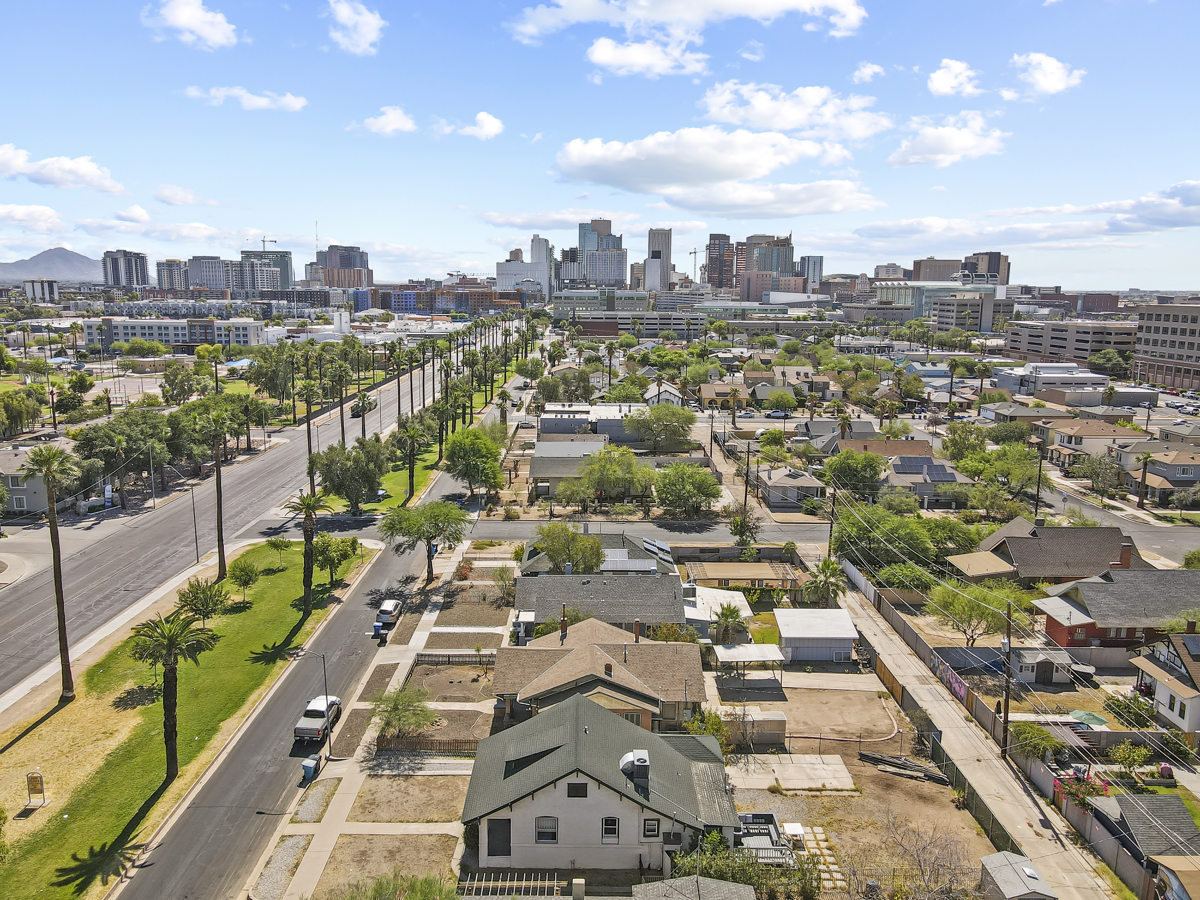
Phoenix acts as the main anchor and stands as the largest city in the Southwest. Downtown Phoenix holds the urban core, packed with businesses, restaurants, and arts districts.
Roosevelt Row brings galleries and creative spaces to the eastern side of downtown.
East Valley cities include:
- Scottsdale
- Tempe
- Mesa
- Gilbert
- Chandler
West Valley cities include:
- Glendale
- Peoria
- Surprise
- Goodyear
- Litchfield Park
- Buckeye
Paradise Valley sits between Phoenix and Scottsdale, packed with large estates and exclusive homes. Ahwatukee Foothills hugs the southern edge of Phoenix but feels suburban despite its city address.
Each community brings something different to the table. Some lean into arts and culture, while others celebrate outdoor fun. Housing prices swing a lot from one city to the next. Luxury areas ask for top dollar, while the growing suburbs feel more attainable.
Why People Call It 'The Valley'
Back in 1935, the Phoenix Chamber of Commerce coined the term "Valley of the Sun." An ad agency came up with it to boost tourism.
The nickname stuck, probably because it fits. Rain barely shows up here. Sunshine rules most days. The Salt River Valley forms the geography people call ‘The Valley.’
Locals usually just say they live in ‘The Valley.’ It means the whole metro area—Greater Phoenix, Phoenix metro, all the same thing.
The name captures something real about life here. Sun shapes what people do. The desert climate sets the pace, and mountains frame pretty much every view.
Weather, Climate, And The Desert Landscape
Greater Phoenix sits right in the Sonoran Desert and soaks up more sun than almost anywhere else. The city gets intense summer heat and mild winters. Monsoons and dust storms are part of the deal here.
The Impact Of The Sonoran Desert
The Sonoran Desert shapes everything about Greater Phoenix. The landscape is full of saguaro cacti, palo verde trees, and wild rock formations.
The desert environment even changes how people design their homes and yards. Many folks pick xeriscaping over grass to save water. Agave, ocotillo, and mesquite thrive with barely any irrigation.
Wildlife doesn’t hide out in the wilderness. Coyotes, javelinas, and roadrunners wander through neighborhoods. Rattlesnakes show up more in the warmer months. The desert terrain means hiking trails snake through mountains and valleys dotted with creosote and brittlebush.
The Desert Botanical Garden puts over 50,000 desert plants on display across 140 acres. It’s a cool way to get to know the ecosystem you’re living in.
300 Days Of Sunshine And Year-Round Weather
Greater Phoenix basks in roughly 300 days of sunshine each year. That’s over 85% of the daylight hours.
The city racks up 3,872 hours of bright sun annually—more than any other big city on the planet. Cloudy days just don’t happen much. Rain is even scarcer, with a yearly average of 7.22 inches.
This near-constant sunshine means outdoor activities never really stop. Golf courses stay open all year. Hiking trails don’t close for weather. People plan outdoor stuff without worrying about rain.
The weather draws anyone tired of cold winters. You’ll see people in shorts in January. Swimming pools get use almost every month. The predictability makes moving here less of a gamble, weather-wise.
Haboobs, Monsoons, And Unique Weather Phenomena
Monsoon season runs from June 15 to September 30. Humidity jumps during these months. Afternoon storms pop up fast, dropping heavy rain in some spots.
Dust storms—locals call them haboobs—can tower thousands of feet high. They roll in quick and turn the sky brown, cutting visibility to nothing in minutes. Monsoon winds usually kick them up.
Monsoons often bring:
- Flash floods in low areas and dry washes
- Lightning all over the desert
- Strong winds that knock down trees and power lines
- Hail during some storms
- Short but heavy rain
August brings the most rain, averaging 0.93 inches. June is bone dry, with just 0.02 inches. The record for a single day? On September 8, 2014, 3.30 inches fell.
Wildfire risk jumps after wet winters. Buffelgrass and brush grow fast, then dry out as summer hits. Rugged mountain terrain makes fighting fires a real challenge.
Embracing The Heat And Mild Winters
Summers in Greater Phoenix are no joke. Average highs in July hit 106.5°F. The city sees 111 days a year at 100°F or above, and 21 days topping 110°F. That’s a lot of hot days.
The record high? 122°F on June 26, 1990. Most days from late May to late September break 100°F. Summer nights don’t cool off much either—overnight lows stay above 80°F for about 74 nights. The warmest night ever? 97°F on July 19, 2023.
Winters feel like a reward. December and January highs average between 66°F and 68°F. Freezing temps don’t happen much. From 1991 to 2020, the thermometer hit 32°F or below just seventeen times in nine years.
Snow? Almost never. Since 1898, only eight measurable snowfalls have happened. The biggest storm dropped up to four inches back in January 1937.
The city’s urban heat island keeps nights warmer. Asphalt and buildings soak up heat during the day and release it after dark, so temperatures don’t drop as much as you might expect in a desert.
Neighborhoods And Lifestyle Diversity
Greater Phoenix stretches across distinct neighborhoods that fit all sorts of preferences. You’ll find everything from urban apartments near downtown art districts to big homes tucked up against mountain preserves.
The region blends cultural spots with outdoor escapes and gives residents plenty of options for their daily routines.
Artistic Hubs And Cultural Centers
Roosevelt Row pumps creative energy into the city. This small district packs in galleries, murals, and live performances within a handful of blocks. First Friday art walks turn the sidewalks into an open-air festival every month.
Tempe adds its own flavor, with Tempe Town Lake as a go-to spot for festivals and outdoor concerts. The lake area links trails, restaurants, and event spaces. Local theater groups and music venues keep things lively year-round.
The Desert Botanical Garden highlights regional plant life and hosts seasonal shows. You can wander among thousands of desert plants on paved paths. Evening events sometimes feature live music with a sunset backdrop.
Where The City Meets The Mountains
Camelback East hugs the base of Camelback Mountain, drawing hikers and cyclists. You’ll see a mix of single-family homes and condos, many with mountain views. Biltmore Fashion Park anchors the shopping here.
Ahwatukee Foothills lines the southern edge of Phoenix, bordered by South Mountain Park. Trails lead straight from neighborhoods into thousands of acres of protected desert. Housing runs from townhouses to bigger lots with mountain views.
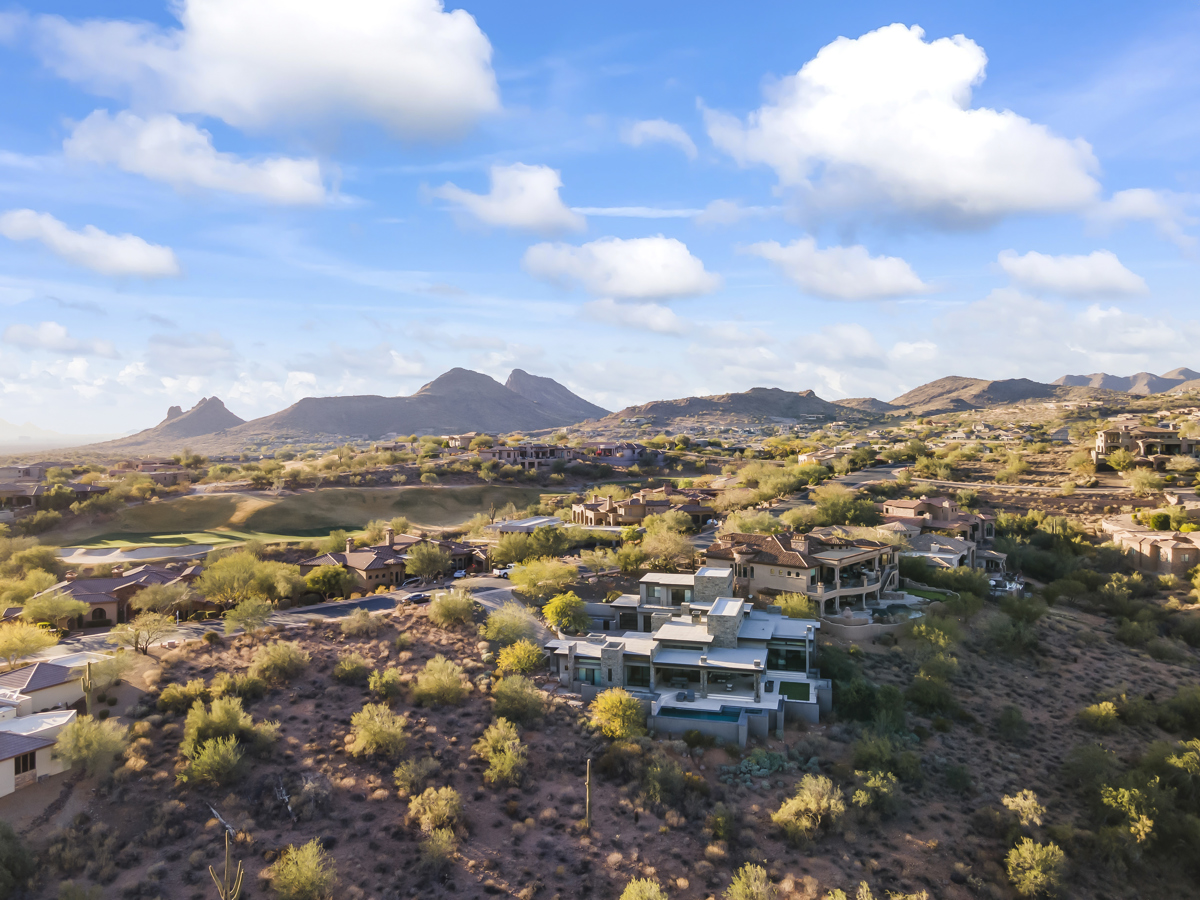
Paradise Valley keeps things low-density, with homes on large parcels. It borders the Phoenix Mountains Preserve, so residents get quick access to hiking and open space. Resorts and golf courses are scattered throughout.
Metro Living From Core To Edge
Downtown Phoenix mixes high-rise living with sports venues and convention centers. Footprint Center and Chase Field sit just blocks from residential towers.
Margaret T. Hance Park adds some green space right in the middle of the city.
Litchfield Park offers a slower pace on the west side of The Valley. Tree-lined streets and planned neighborhoods set the tone. Residents drive to shopping and bigger job centers.
Suburban areas like Deer Valley and North Gateway have suburban layouts with parks and access to everyday amenities. You’ll see a mix of single-family homes and apartments. Most folks use cars for errands - public transit just isn’t the norm.
Access To Trails And Recreation
Phoenix Mountains Preserve stretches across several mountain ranges inside city limits. Piestewa Peak and North Mountain pull in hikers chasing elevation and city views.
Trailheads open before sunrise and stay lively into the evening. South Mountain Park covers over 16,000 acres, with dozens of trails for hiking, biking, and horseback riding.
Paved roads snake through the park for scenic drives. Petroglyphs and old ranch sites add a bit of cultural flavor to the landscape.
Local parks dot neighborhoods and offer playgrounds, sports fields, or picnic spots. Cashman Park in Desert Ridge and Marivue Park in Maryvale give their communities green space and basic facilities.
These smaller parks handle daily recreation for nearby residents. They’re not fancy, but they do the trick.
Cost Of Living, Housing, And Everyday Life
Greater Phoenix lands in the mid-range for cost of living compared to other big western metros. Housing prices swing a lot by neighborhood, but groceries and healthcare generally stay pretty reasonable for most folks.
What You'll Pay For A Place To Call Home
The Phoenix metro housing market has wide price gaps between neighborhoods. Starter homes in Avondale or El Mirage start near $250,000.
Head to Scottsdale or Paradise Valley and prices jump to $500,000 for something modest. Median home prices across The Valley sit around $425,000 as of early 2026.
That’s still less than Southern California or Seattle. Rentals follow similar trends. A one-bedroom in central Phoenix rents for $1,200 to $1,500 monthly.
Two-bedroom places range from $1,400 to $2,000 depending on the area. Tempe and Gilbert attract those looking for properties with median prices between $400,000 and $550,000.
Luxury homes in North Scottsdale regularly top $1 million. Property taxes stay relatively low, averaging 0.62% of home value.
New construction keeps popping up in suburbs like Surprise, Goodyear, and Queen Creek. You’ll find newer builds starting in the low $300,000s.
Getting Around And Keeping The Lights On
Utility bills in Greater Phoenix reflect that desert heat. Summer air conditioning cranks electric bills up, sometimes to $150–$300 a month from June through September.
In winter, bills drop to $75–$120. Water bills usually fall between $40 and $70 monthly for a typical household.
Gas service adds $25 to $45 in cooler months. Most people need a car to get around, and gas prices usually run just below the national average.
Car insurance in Arizona averages about $1,400 a year for full coverage. Valley Metro provides bus and light rail service in parts of Phoenix, Tempe, and Mesa.
Monthly passes cost $64. Still, the system only covers certain areas, and most folks end up driving.
Medical Care When You Need It
Banner Health runs the largest healthcare network in Greater Phoenix. They operate multiple hospitals and urgent care spots around The Valley.
Services cover emergency care and specialized treatments. Healthcare costs here line up with national averages.
Office visits without insurance run $100 to $200. Emergency room visits start around $500 before the real bills arrive.
Prescription prices look much like other Arizona cities. Insurance premiums depend on your coverage, but marketplace plans range from $300 to $600 monthly.
Employer plans usually cost less. Major medical centers in the region include:
- Mayo Clinic in Scottsdale
- Banner University Medical Center Phoenix
- HonorHealth Scottsdale Shea Medical Center
- Phoenix Children's Hospital
Specialists are pretty available, and wait times for non-emergency care are generally reasonable.
Food, Fun, And Daily Spending
Groceries in Greater Phoenix cost a bit less than the national average. A week’s groceries for two people will run $120 to $180 at Fry’s or Safeway.
Sprouts or Whole Foods cost 15% to 25% more. Dining out covers all price points, from casual spots at $12 to $18 per person to mid-range favorites like Cocina Madrigal at $25 to $40.
Fine dining starts at $60 and goes up from there. Entertainment costs stay moderate:
- Movie tickets: $12 to $16
- Gym memberships: $30 to $80 monthly
- Golf rounds: $40 to $90 at public courses
- Sports events: $25 for minor league, $150+ for pro teams
Coffee shops charge $4 to $6 for specialty drinks. Fast casual meals land around $10 to $15 per person.
Food halls and local markets offer budget-friendly options. Arizona summers mean bigger cooling bills and more indoor activities, so people often budget extra for that.
Winter brings lower utilities and perfect weather for getting outside.
Economy, Education, And Employment Opportunities
Greater Phoenix keeps growing jobs in tech, healthcare, and finance. The region’s schools and research universities help prep workers for those fields.
Career Prospects And Hiring Patterns
The Phoenix metro keeps pulling in professionals from around the country with its expanding economy. Tech companies lead the way, with healthcare and finance right behind.
Banner Health stands out as a major employer, offering thousands of jobs across hospitals, clinics, and research. Semiconductor manufacturing has picked up steam, adding high-paying positions in The Valley.
Wages have grown a bit faster than inflation lately. Per capita income ticked up about 0.6% recently.
Key employment sectors include:
- Professional and business services
- Healthcare and education
- Manufacturing and logistics
- Financial activities
- Hospitality and leisure
The region’s exurbs stretch up to 100 miles from downtown. That sprawl opens up jobs and homes for remote workers, spreading opportunity throughout The Valley.
Learning Institutions Across All Levels
Greater Phoenix boasts several nationally ranked K-12 schools. Many focus on science, technology, engineering, and math.
Grand Canyon University is one of several research-focused schools here. Arizona State University runs multiple campuses around the region.
Higher education options include:
- Large public universities
- Private colleges
- Community colleges
- Technical training centers
Schools often partner with companies to create workforce programs. Students can get real-world experience before graduating.
Scottsdale, Chandler, and Gilbert include a range of public school options, and buyers should review district boundaries and school information through official sources.
Commercial Development And New Ventures
The Phoenix metro keeps a business-friendly vibe, attracting companies from all over. Gone are the wild boom-and-bust cycles—now it’s steady growth.
Living in Phoenix means being part of a diverse economy. New construction pops up everywhere, from office parks to warehouses serving the Southwest.
The cost of living now sits a bit above the national average, mostly due to housing. Still, commercial development continues even with those higher costs.
Small businesses launch often in Greater Phoenix. Entrepreneurs like the lower barriers to entry compared to the coasts.
Business services cluster in Scottsdale and Tempe. Manufacturing plants run in Mesa and Chandler. This spread keeps economic opportunities distributed across the metro area.
Lifestyle, Recreation, And Things To Do
Greater Phoenix serves up sunshine nearly year-round and easy access to desert landscapes. Locals get a mix of pro sports, outdoor adventures, arts, and a lively food scene.
Sports, Events, And Outdoor Activities
The Phoenix Suns play downtown at Footprint Center, drawing basketball fans all season. The Arizona Diamondbacks bring MLB action to Chase Field from spring through fall.
Both teams create a lively game-day buzz. Tempe Town Lake offers kayaking, paddleboarding, and paths for jogging or cycling just minutes from downtown.
Desert Botanical Garden covers 140 acres and shows off thousands of desert plants, with special exhibits and evening events.
Hiking trails wind through the surrounding mountains. Camelback Mountain and South Mountain Park give you challenging climbs and big views.
Weather supports outdoor activities from October through April. Summer heat means early morning or evening outings are best.
Golf courses are everywhere - over 200 public and private options. Desert layouts and mountain backdrops keep things interesting. Spring training brings MLB teams to the area every February and March.
Dining, Arts, And Nightlife
Roosevelt Row anchors the arts district with galleries, studios, and monthly First Friday art walks. Street murals brighten up entire buildings.
Independent theaters and music venues bring in local and touring acts. Phoenix Art Museum houses more than 20,000 works from all over the world.
Musical Instrument Museum displays instruments from nearly 200 countries. Both spots draw visitors year-round.
Restaurants serve up Mexican food with Sonoran roots. Cocina Madrigal stands out for upscale Mexican dishes, but you’ll also find Vietnamese, Middle Eastern, and modern American menus.
Food halls like The Churchill offer multiple vendors under one roof. Downtown Phoenix and Tempe have bars and clubs that stay open late, while Old Town Scottsdale packs its nightlife into a few lively blocks.
Craft breweries keep popping up across The Valley. The scene feels fresh and always changing.
Community Events And Local Culture
Weekly farmers markets pop up all over, offering local produce, fresh-baked goods, and handmade crafts. Some neighborhoods even host their own markets on Saturday mornings.
Groups of people and food vendors gather, chatting over coffee and sampling everything from honey to tamales.
Arizona State Fair shows up every October, stretching over three weeks with rides, concerts, and quirky exhibits. Festivals celebrate Mexican heritage, Native American culture, and a wild variety of food traditions.
Most of these events pick the cooler months for obvious reasons.
The region’s history ties back to Hohokam settlements and a long ranching tradition. Museums hold onto this past, displaying artifacts and restoring old buildings.
Cultural centers run by tribal nations give you a look at indigenous perspectives and showcase contemporary art.
Outdoor concerts usually take over spots like Arizona Federal Theatre and Mesa Amphitheatre. When summer temperatures climb, some events move indoors, but once fall hits, the schedule fills up fast.
Local theater companies keep things lively, staging productions in small, intimate venues all over The Valley.


