


Scottsdale Horse Property And The Work Behind The Land
More Than A Place To Ride
There's something particularly appealing about a Scottsdale home with horses on the property. An early morning in the barn, the mountains in the distance, and a riding arena just beyond the backyard. It's a different kind of luxury. And for people interested in Arizona horse properties, the land itself can be as important as the residence.
But maintaining that land takes work. Equestrian real estate combines residential ownership with many of the responsibilities of managing a small agricultural property. Water delivery, drainage, animal care, equipment storage, and daily maintenance deserve considerable attention before a purchase.
Quick Points
- Total acreage differs from usable acreage.
- Personal and commercial horse operations face different regulations.
- Water infrastructure is particularly important in Arizona.
- Arena footing requires ongoing maintenance.
- Manure removal needs a practical plan.
- Trailer access and barn design deserve inspection.
An Acre Isn't Always An Acre
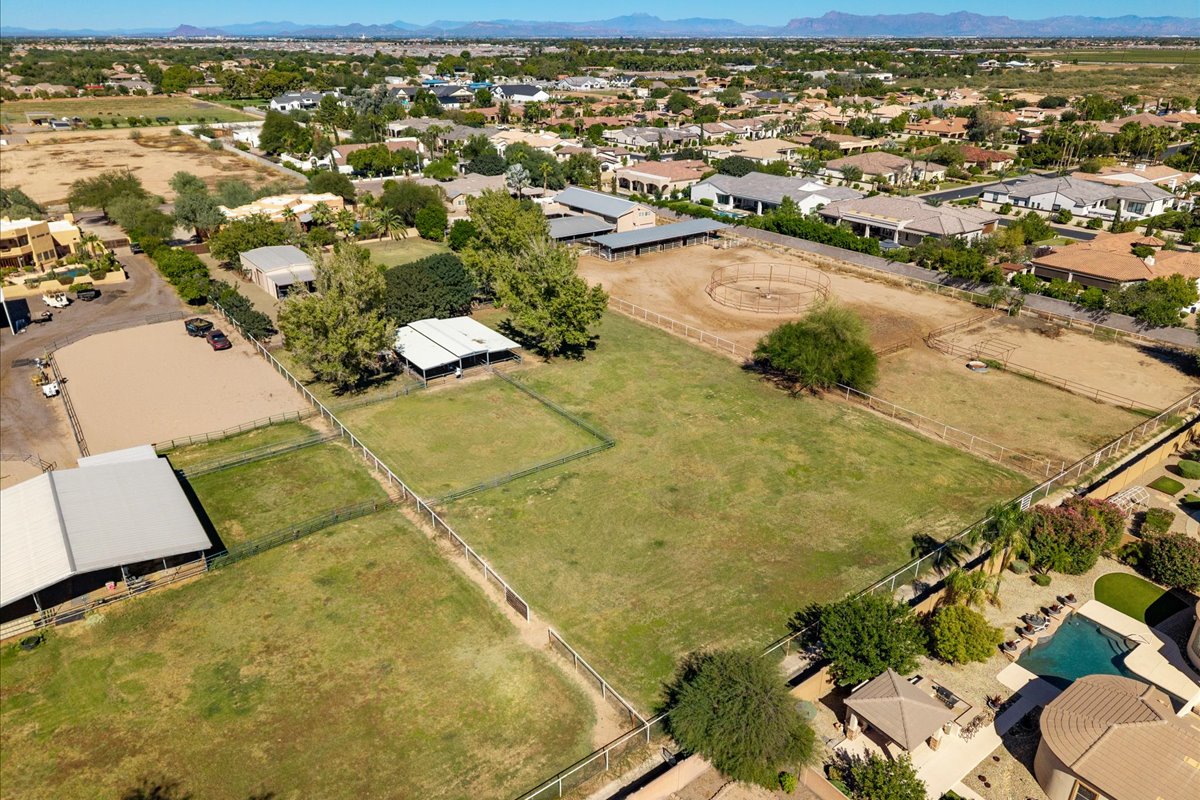
Two horse properties of identical size can function quite differently. One might have relatively level terrain with a well-positioned barn, separate turnout areas, and an accessible arena. Another could contain substantial slopes, drainage channels, or improvements that occupy much of the available ground.
The layout matters.
In areas such as the Cactus Corridor, Scottsdale's equestrian heritage remains evident in certain residential properties. Larger lots can accommodate a variety of improvements, although not every parcel offers the same opportunities for keeping horses.
Consider how the various spaces interact. A barn positioned behind the house may look attractive from the patio, but delivering several hundred pounds of feed becomes less convenient if vehicles cannot reach it easily.
And where does the trailer go?
Usable land should be evaluated in relation to its intended purpose. Space occupied by the residence, swimming pool, setbacks, drainage features, and landscaping may leave considerably less room for equestrian activities than the acreage suggests.
A good property layout makes daily tasks easier. That's something worth appreciating when comparing homes, particularly when horses will be kept on-site throughout the year.
Also Read: Introducing The Equestrian Community Of Paradise Valley Farms
Keeping Horses Vs. Operating A Ranch
A residential property with a few horses and a commercial equestrian operation are two different propositions. Someone purchasing a home for personal riding may have relatively straightforward requirements. Someone planning to board horses for compensation, conduct training activities, or operate a larger facility faces additional considerations.
The distinction matters legally.
As of November 24, 2026, the City of Scottsdale's published guidance on farms, ranches, and stables explains that the city generally doesn't limit the number of horses kept for a homeowner's personal use on applicable residential properties with a city-approved, habitable single-family home.
Commercial operations are another matter. Scottsdale identifies conditional use permit requirements for farms, commercial stables, and ranches in applicable residential zoning districts.
Additional considerations include:
- Zoning: Permitted uses for the individual parcel.
- Private Restrictions: Applicable CC&Rs and association rules.
- Existing Structures: Approval history for barns and accessory buildings.
- Commercial Activities: Boarding, training, and other business operations.
- Nuisances: Applicable regulations concerning odors, flies, and noise.
- Future Improvements: Requirements for proposed equestrian facilities.
People considering a purchase shouldn't rely exclusively on a listing's description of a property as horse-friendly. The intended use, existing improvements, and applicable restrictions need to be examined together. And an existing barn doesn't necessarily establish permission to expand the facility or operate a business. Property-specific questions belong with the appropriate municipal offices and qualified professionals.
Water, Shade, & The Arizona Summer
Water comes first.
An impressive barn can lose much of its appeal if the water infrastructure is unreliable. Horses need dependable access to clean drinking water, particularly during periods of extreme heat. And the property may require additional water for washing, cleaning, arena maintenance, and landscaping.
Those demands add up.
According to the University of Minnesota Extension's guidance on caring for horses in hot weather, water consumption increases with activity and hotter conditions. The organization also emphasizes shade and adequate airflow.
In Scottsdale, the orientation of a barn deserves attention. A sheltered area that provides considerable morning shade may receive intense afternoon sunlight. And an enclosed structure with insufficient ventilation could create undesirable conditions during summer.
The barn's utility infrastructure merits its own evaluation. Automatic waterers, plumbing lines, electrical service, fans, and drainage arrangements can all affect how the facility operates.
For those considering vacant land in Arizona, these requirements should enter the conversation well before construction begins.
Water has to get there. Installing adequate infrastructure across a large parcel can involve considerably more work than connecting utilities to the house alone.
Also Read: Arizona Custom Home Builds And The Cost Of Utility Work
Riding Arenas, Footing, & Drainage
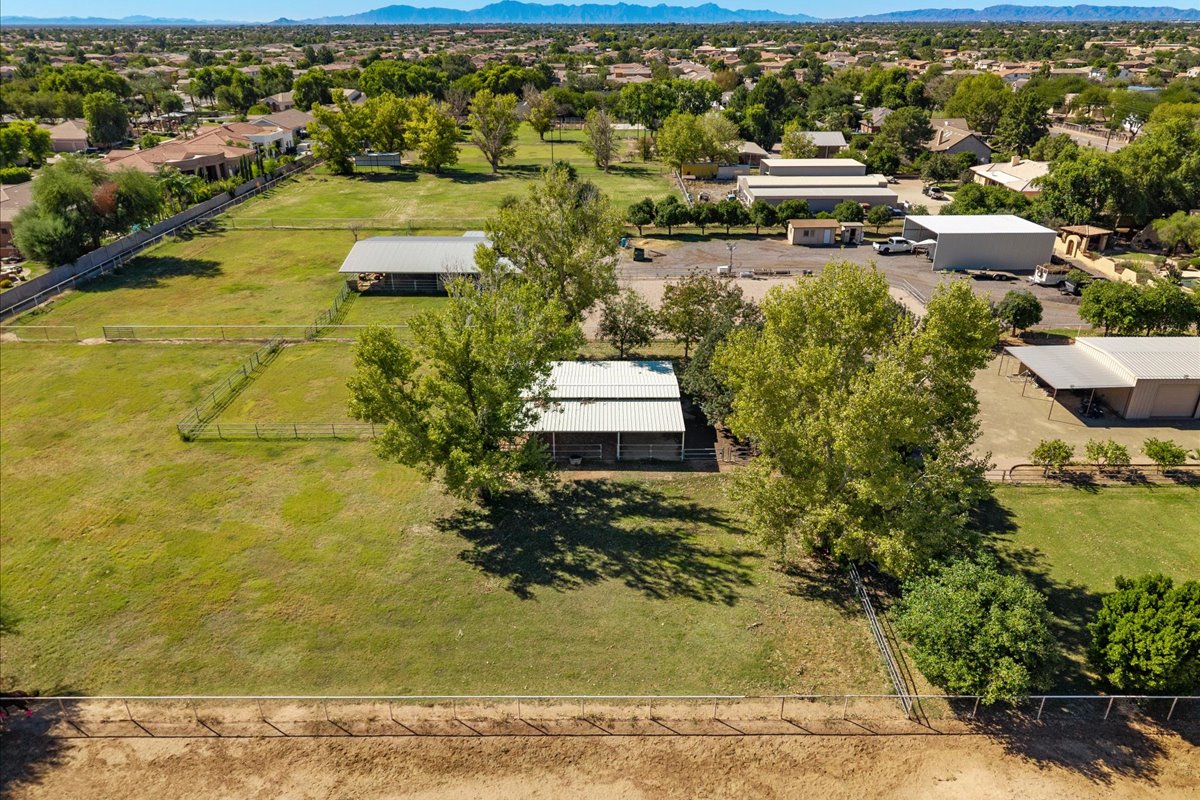
A freshly groomed riding arena can look immaculate in listing photographs. What isn't necessarily apparent is the condition of its base, how well it drains, or how frequently the surface needs attention.
Look closer.
Arizona's dry climate can make dust management an ongoing responsibility. And when substantial rainfall arrives, poorly drained riding areas can become difficult to use.
The University of Minnesota Extension's guidance on managing mud at horse facilities explains how repeated hoof traffic can compact soil, contributing to poor infiltration and surface water accumulation.
The principle applies beyond wetter climates. A Scottsdale property may remain dry for considerable stretches, then receive substantial runoff during a single storm.
An arena's suitability also depends on its intended use. Reining, dressage, jumping, and recreational riding may call for different surface characteristics. An arena that works well for one discipline might need considerable modification for another.
Replacing footing can involve more than delivering additional sand. The underlying base, drainage, surface material, and maintenance equipment all deserve consideration.
Having an experienced equestrian facility specialist evaluate these features before purchasing can help establish whether the existing improvements suit the owner's plans.
The Unromantic Subject Of Manure
Here's something rarely emphasized in luxury property marketing.
Horses produce waste. Lots of it.
The University of Minnesota Extension's horse manure management guidance estimates that a 1,000-pound horse produces approx. 55 pounds of manure and urine combined each day.
That's more than 10 tons annually. And that's for one horse.
On a property accommodating several horses, the collection, temporary storage, and removal of waste become meaningful operational considerations. Used bedding adds to the material that needs handling.
Where will it go? How will it be collected? Can a hauling company reach the designated storage area without driving through the main residential courtyard?
The placement of a manure collection area can affect daily efficiency, particularly when stalls are cleaned frequently. Its relationship to neighboring properties, drainage routes, and other improvements also deserves attention.
Some owners arrange regular hauling services. Others may consider properly managed composting where suitable and permitted. The appropriate arrangement depends on the property, the volume of material, and applicable requirements.
A thoughtfully designed horse property makes this necessary part of ownership relatively manageable. But the work doesn't disappear simply because the residence happens to be worth several million dollars.
Also Read: Special Home Inspections For Arizona Luxury Estate Buyers
Barn Design & The Logistics Of Riding
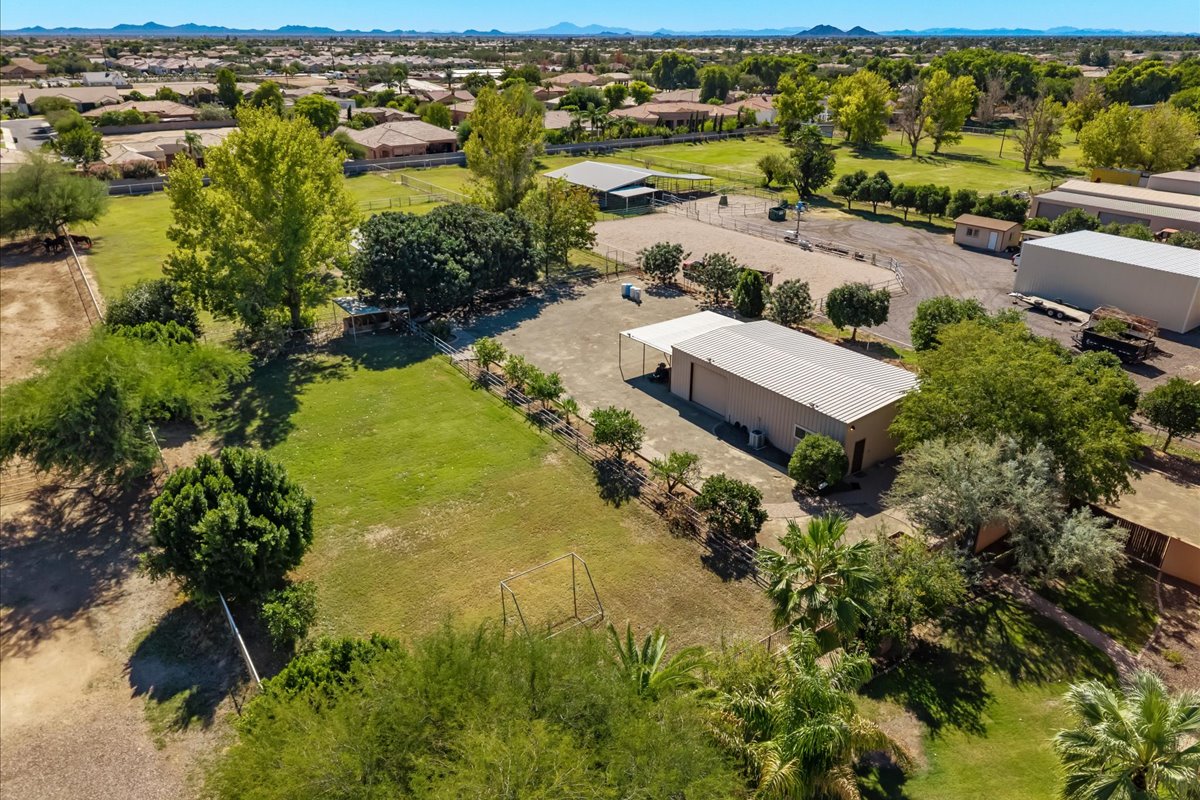
A beautiful barn isn't necessarily a functional one. Wide doors and attractive finishes might create a wonderful first impression, but experienced horse owners often notice different things. They examine stall configurations, equipment access, storage capacity, and how efficiently horses can be moved between different areas. The barn needs its own inspection, too.
Several practical features deserve particular attention:
- Trailer Access: Entrance widths, turning space, and parking.
- Hay Storage: Protected storage with appropriate fire precautions.
- Tack Rooms: Convenient, organized equipment storage.
- Wash Areas: Functional plumbing, drainage, and suitable surfaces.
- Fencing: Condition, materials, gates, and configuration.
- Turnout Areas: Appropriate space and shelter for horses.
And consider where you'll actually ride. Scottsdale's McDowell Sonoran Preserve includes several trailheads with equestrian facilities. Brown's Ranch and Pima Dynamite, for example, have designated horse-trailer parking and water troughs. However, proximity to the Preserve doesn't establish direct riding access from a particular residence. The actual route, crossings, trail restrictions, and any private access rights need verification.
The Expenses That Continue After Closing
Purchasing a horse property introduces an additional layer of household expenses. Feed, bedding, veterinary care, farrier services, and equipment maintenance are part of the equation. So are the facilities themselves.
Fencing deteriorates. Pumps require attention. Arena surfaces need maintenance, and outdoor electrical equipment can experience substantial exposure to Arizona's weather.
Then there's labor.
Some owners genuinely enjoy handling much of the daily work. Others prefer employing experienced personnel to manage the horses and maintain the grounds.
Either arrangement requires planning. A horse property isn't particularly suited to an unattended ownership schedule unless dependable animal care and facility management are in place. Someone who divides their time between Arizona and another state needs to consider what happens during those extended absences.
And the cost extends well beyond the house.
When comparing properties in Arizona, it may be useful to examine the seller's available maintenance records, utility expenses, equipment inventories, and existing service arrangements. These documents won't establish the exact cost of future ownership yet they can provide a more informed starting point.
There's also something to be said for simplicity. A modest, well-designed barn with reliable infrastructure might serve an owner's needs better than an elaborate facility that requires substantial ongoing work.
Scottsdale offers an interesting combination of equestrian tradition, desert terrain, and residential development. For someone who genuinely enjoys horses, living alongside them can be a particularly rewarding way to own property here.
The residence may get your attention first. Spend some time in the barn before making the decision.
Also Read: Photos Of Our New Custom Home Listing In The Cactus Corridor!


