


Why So Many Californians Are Moving To Greater Phoenix In 2026
Why Californians Are Leaving For Greater Phoenix
For decades, California represented opportunity. Beaches, culture, innovation, and some of the strongest job markets in the world. Heading into 2026, that promise is colliding with reality. Persistent housing shortages, some of the highest taxes in the country, and a cost of living that continues to outpace income growth are forcing many residents to rethink where they live.
That pressure has fueled one of the most significant domestic migration patterns in recent history. A major share of those movers are heading east to one place in particular: Greater Phoenix.
Not just the City of Phoenix, but the entire metro area, including Scottsdale, Gilbert, Chandler, Paradise Valley, Cave Creek, Mesa, Arcadia, and beyond.
So why are tens of thousands of Californians still making the move in 2026? And with prices no longer considered cheap, is Greater Phoenix still worth it?
Let’s break it down.
Also Read: The Top Reasons Why People Choose Arizona Over California

Housing Affordability In 2026: Still A Gap But Narrowing
Housing affordability remains the number one reason Californians relocate.
In coastal California, prices remain extreme.
-
Los Angeles: Median home prices near or above $1 million
-
San Diego: Roughly $950,000 to $1 million
-
San Francisco Bay Area: Around $1.2 to $1.3 million
Across Greater Phoenix in 2026:
-
Metro-wide median home price sits roughly between $450,000 and $475,000, depending on the submarket
-
Many master planned suburbs remain hundreds of thousands below California equivalents
For many Californians, this means selling a smaller coastal home and purchasing more space, newer construction, and better amenities, often while keeping cash in reserve.
Also Read: How Do Californians Typically Feel After Moving To Arizona?
Buying Power In Greater Phoenix In 2026
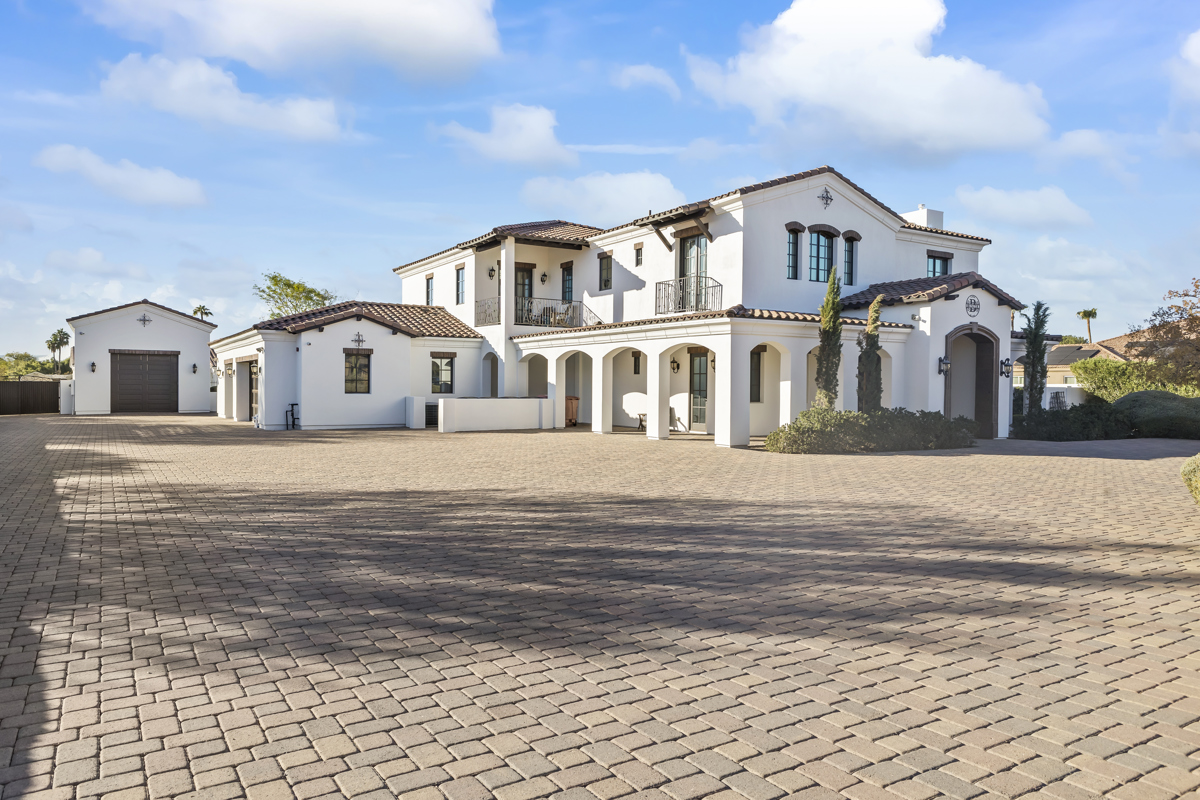
Despite higher interest rates and rising prices nationwide, Greater Phoenix has remained one of the more resilient large metro areas when it comes to buying power.
Since 2019, Phoenix-area households have retained more purchasing power than buyers in most major U.S. cities. California metros, by contrast, have experienced sharp affordability erosion.
The market has shifted, though.
-
In 2019, about half of Phoenix-area listings were considered affordable
-
By 2026, that number has dropped into the low single digits
Greater Phoenix is no longer inexpensive, but it remains structurally more affordable than coastal California.
Also Read: Why Are Californians Moving To Arizona?
The Affordability Index Still Favors Greater Phoenix
Using the global median multiplier, which compares median home price to median household income, the contrast remains clear.
-
Greater Phoenix: Approximately 4.2 to 4.5
-
Los Angeles: Around 11
-
San Diego: Roughly 9 to 10
-
San Francisco: 10 or higher
Any score above 9 is considered unaffordable by international standards. That gap explains why many Californians still feel permanently priced out, while Greater Phoenix remains attainable.
Southern California buyers relocating to Arizona continue to save hundreds of thousands of dollars on average on home purchases, even in 2026 pricing conditions.
Also Read: Where Californians Are Moving And Why They Are Moving Fast!
Cost Of Living In 2026: Where the Savings Add Up
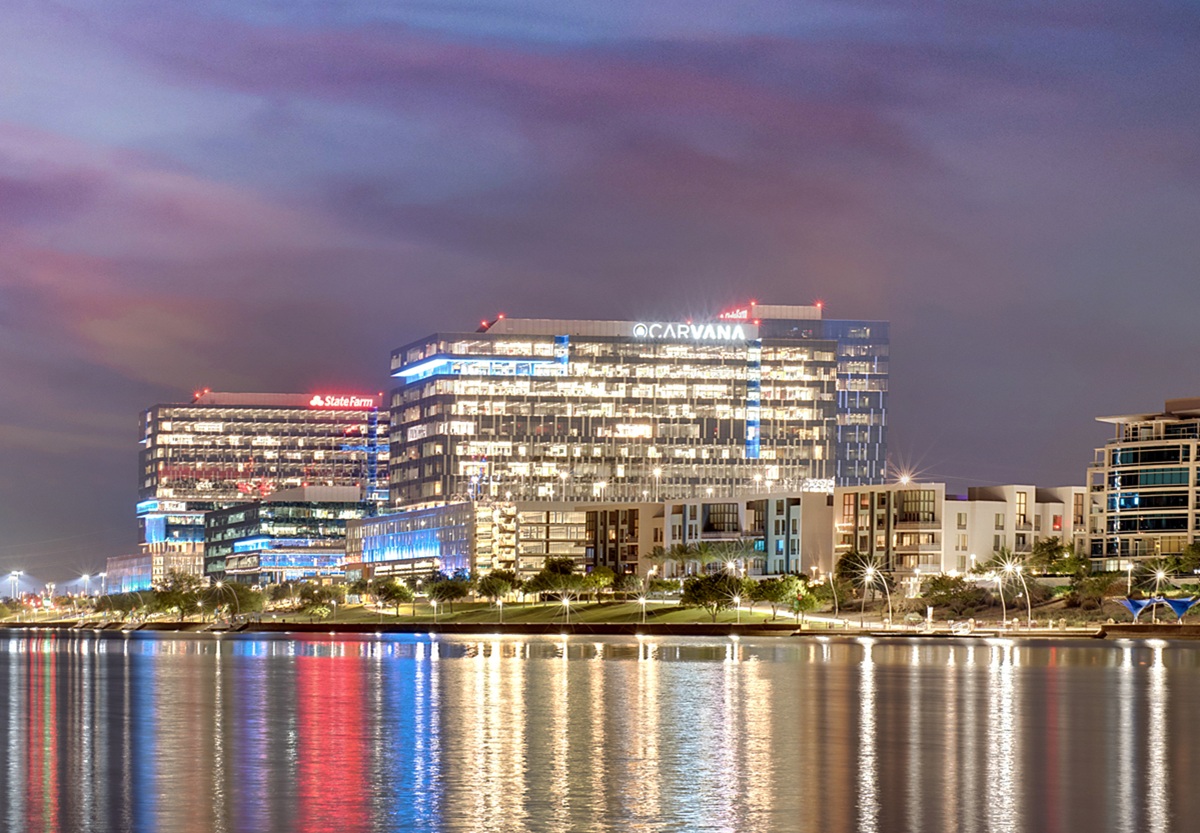
California remains roughly 25 to 30 percent more expensive than Arizona overall, with the biggest differences in housing, transportation, childcare, utilities, and insurance.
Purchasing power tells the real story.
California continues to rank near the bottom nationally, while Arizona and Greater Phoenix offer stronger disposable income for comparable earners.
For many transplants, this results in lower monthly stress, greater flexibility, and improved long-term financial stability.
Also Read: How California Migration Is Reshaping Arizona’s Housing Market
Taxes In 2026: Still A Major Advantage
Tax policy continues to favor Arizona.
-
California income tax rates reach as high as 13.3 percent
-
Arizona uses a flat 2.5 percent income tax
Property taxes also remain lower on average.
-
Arizona averages about 0.45 percent
-
California averages about 0.73 percent
In 2026, these differences still translate into thousands, and sometimes tens of thousands, of dollars saved annually, particularly for professionals, business owners, and retirees.'
Also Read: California Wildfires Are Reshaping Housing Markets Nationwide
Jobs & Economic Growth Across Greater Phoenix
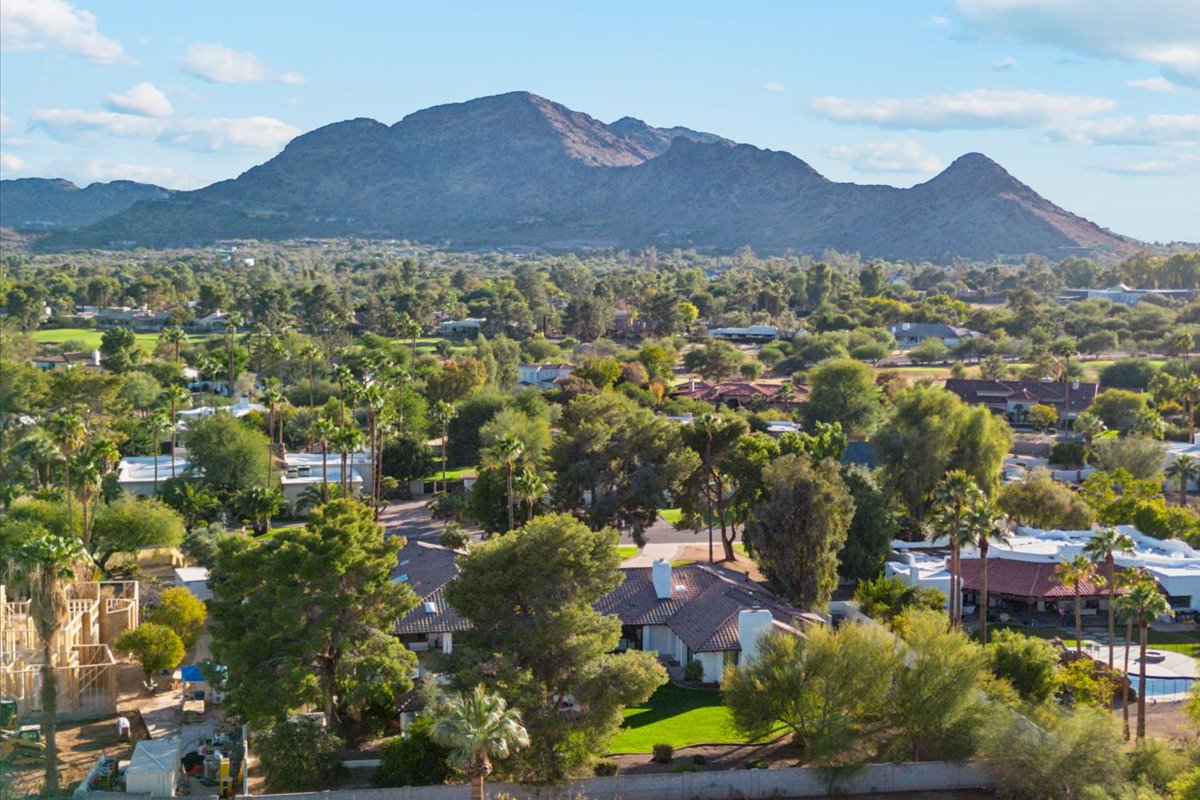
Greater Phoenix continues to evolve beyond a low cost alternative.
Key growth sectors include semiconductor manufacturing, healthcare, finance, logistics, aerospace, and advanced manufacturing. Major investments from companies like TSMC and Intel have helped diversify the economy and reduce dependence on any single industry.
For Californians frustrated by crowded job markets and shrinking margins, Greater Phoenix offers comparable opportunities without the same financial pressure tied to housing.
Also Read: Arizona Vs California: A True Cost Of Living Ultimate Showdown
Lifestyle In 2026: Clear Benefits & Clear Trade-Offs
Greater Phoenix offers more than 300 days of sunshine, year-round outdoor living, shorter commutes, less congestion than major California metros, and significantly more living space.
The trade-offs are well known.
Summers are long and intense. Monsoon season brings dust storms. There is no ocean. Many areas are car dependent.
For most people who relocate, the exchange is intentional and worthwhile.
Also Read: Why Phoenix Keeps Winning Californians Leaving West Coast
Greater Phoenix In 2026: Strong Momentum But Limited Time
Demand remains strong, and housing supply remains constrained.
Zoning limitations and population growth continue to place upward pressure on prices across the metro. While Greater Phoenix is still more attainable than coastal California, the affordability gap is narrowing rather than widening.
For Californians considering a move in 2026, timing matters.
Still Read: Only 15% Of Californians Can Afford A Median-Priced Home!
Where Californians Are Settling in Greater Phoenix
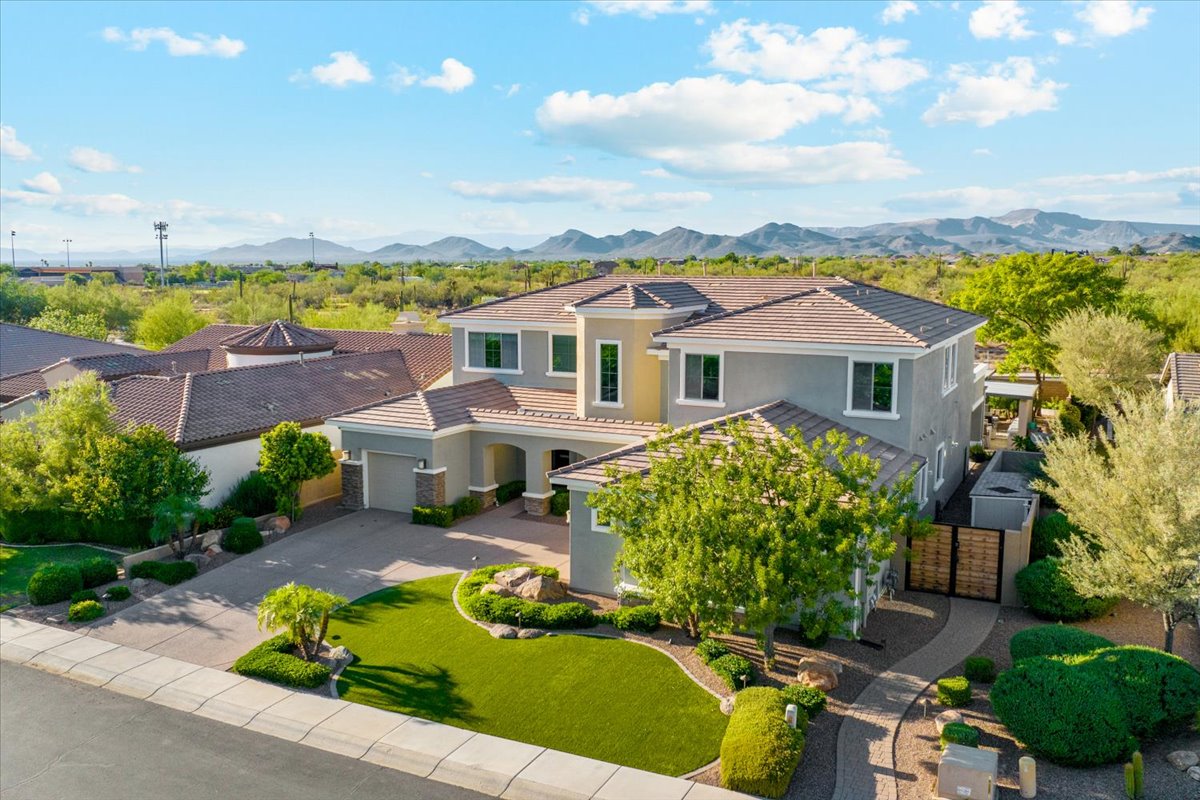
Several communities continue to stand out.
Gilbert
Neighborhood focused, master planned communities with strong schools and infrastructure. Median home prices sit in the mid five hundreds.
Scottsdale
Luxury desert living with golf, wellness, dining, and arts. Pricing remains competitive compared to California luxury markets.
Paradise Valley
Ultra luxury estates offering privacy, prestige, and mountain views. Often compared to Beverly Hills, but with lower taxes and fewer restrictions.
Chandler
A major employment hub with strong tech and manufacturing presence. Known for newer neighborhoods, good schools, and convenient freeway access.
Queen Creek
Fast-growing suburb offering newer construction and more space. Popular with families seeking affordability and a quieter, small-town feel.
Peoria
Located in the northwest valley with access to Lake Pleasant and outdoor recreation. Appeals to buyers looking for space and newer master planned communities.
Tempe
Urban energy driven by Arizona State University and a strong tech presence. Attracts younger professionals seeking walkable areas and nightlife.
Mesa
One of the largest cities in the metro with a wide range of housing options. Known for established neighborhoods, cultural amenities, and affordability relative to nearby cities.
Also Read: What To Know When Moving From California To Arizona Today
Final Verdict: Is Greater Phoenix Worth It In 2026?
For many Californians, the answer is yes.
Greater Phoenix continues to offer better housing value, lower overall costs, lighter taxes, a growing and diversified economy, and more space with a calmer pace of life.
The opportunity remains, but the window is narrowing.
Waiting too long could mean facing the same affordability pressures people are trying to leave behind.


