


Where Wealth Clusters Across Greater Phoenix Luxury Enclaves
Show Me The Money
Money doesn’t spread evenly across Greater Phoenix. It stacks. It concentrates. It hides behind gates, hills, citrus grids, and zoning codes. If you’re sizing up luxury real estate in Arizona, patterns jump out fast. Privacy wins. Inventory stays thin. Pedestrian friendly setups come second. Always.
Quick Points
-
Wealth clusters by zoning & land control
-
Inventory stays tight across luxury pockets
-
Renovation history drives real value
-
Pedestrian friendly trade-offs show up fast
How Affluence Shows Up In “The Valley”
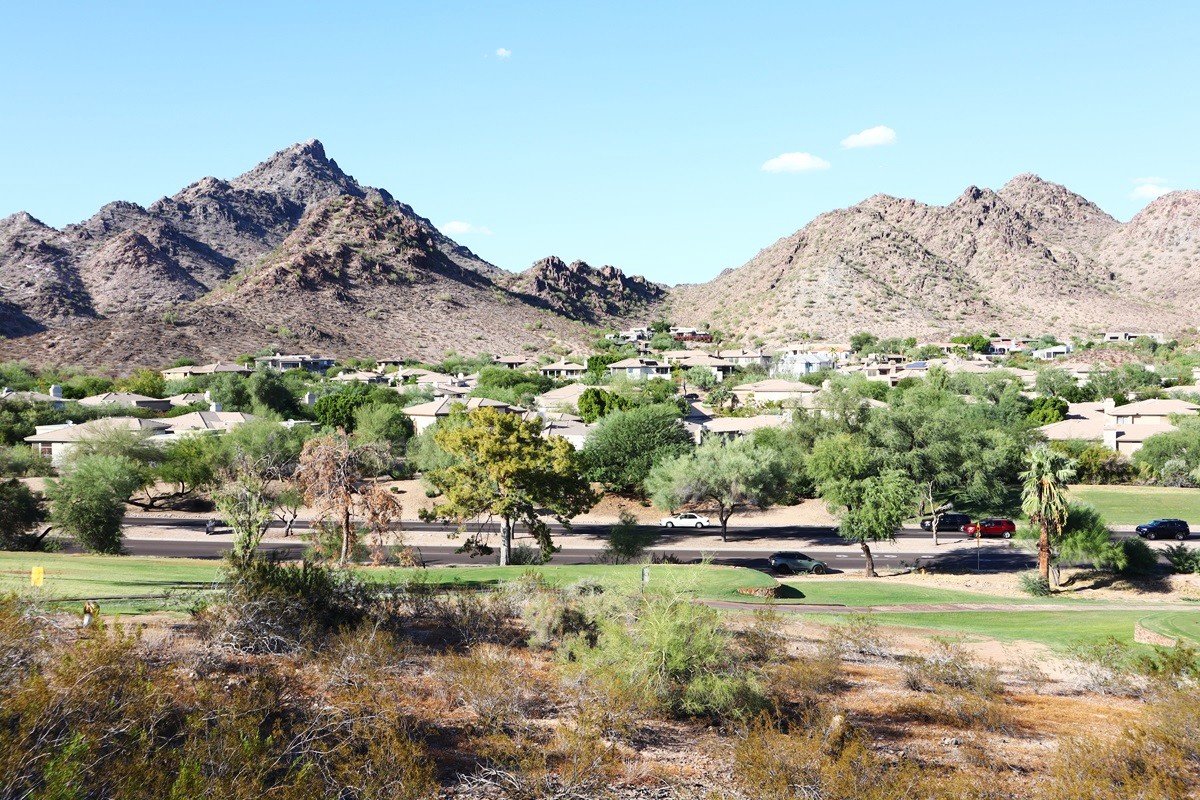
Start wide. Greater Phoenix holds more high-end enclaves than outsiders expect. These places don’t copy desert suburbs. They lean into acreage, control, and custom builds. Prices stay firm because supply barely moves. And when listings hit, buyers already wait.
You’ll notice the same trade-offs everywhere. Pedestrian friendly layouts fade as lots expand. Daily errands mean driving. Older homes dominate, which puts pressure on remodel quality. Some buyers love that. Others don’t. Either way, the math keeps working.
Wealth here isn’t loud. It’s layered.
-
Zoning limits new supply
-
Custom builds dominate sales
-
Renovation quality sets pricing
-
Privacy drives buyer demand
-
Inventory moves slowly
That formula repeats again and again across “The Valley.”
Arcadia Pulls Money With Proximity
Arcadia feels different. You notice it fast. The grid stays tight. Trees line streets. Houses sit closer together. That alone pulls in buyers who want access without long drives.
Prices hover near $1.5 million, which raises eyebrows given lot sizes. But location carries weight. Dining, schools, and daily stops stay close. Pedestrian friendly pockets exist here in ways other luxury areas can’t replicate. The catch is consistency. Some homes shine. Others lag until updated.
Arcadia rewards buyers who look closely.
-
Former citrus land
-
Mixed renovation quality
-
Strong central access
-
Smaller lots
-
Higher pedestrian friendly appeal
It’s not uniform wealth. It’s selective.
The Biltmore Corridor Trades Space For Access
This stretch sits near the Arizona Biltmore Hotel, and it shows. Development runs denser. Condos, gated clusters, hillside homes. Views grab attention, especially near Camelback Mountain.
Average values sit near $1.8 million. Top listings clear $6 million. Buyers come for location first. Downtown Phoenix, Scottsdale, and the airport stay within easy reach. Older housing stock dominates, which again puts weight on updates.
You trade land for access here. Some buyers want that deal.
-
Central positioning
-
Camelback views
-
Condo-heavy inventory
-
Older builds common
The Biltmore Corridor feels active. That’s the point.
North Scottsdale Runs On Scale
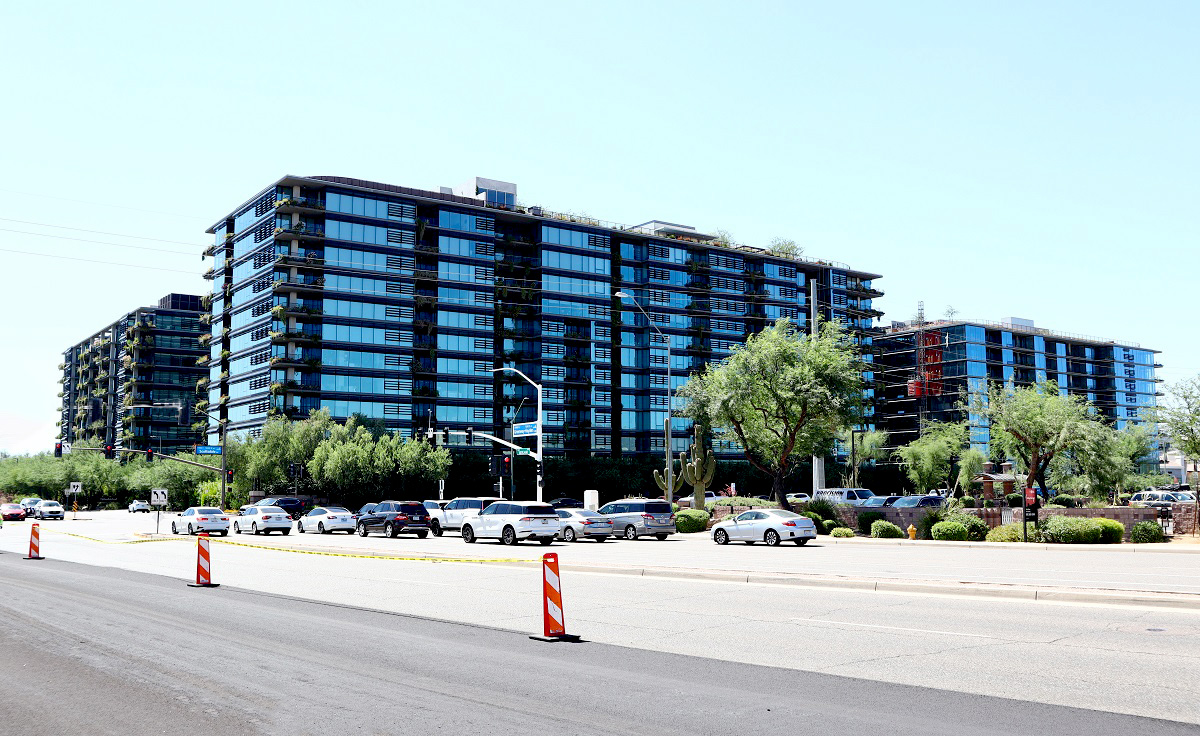
If Greater Phoenix has a luxury headline, this is it. North Scottsdale stacks guard gates, acreage, and resort-style living. Golf courses anchor neighborhoods. Wellness clubs follow close behind. Homes stretch wide across desert terrain.
The numbers tell the story. Zip code 85262 posts median household income near $174,000. Scottsdale hosts roughly 14,800 millionaires. That count jumped about 125 percent in ten years. Sales back it up, including a $28 million all-cash deal in 2022.
Scale sells here.
-
Guard-gated communities
-
Large custom estates
-
Resort-driven amenities
-
Record luxury sales
Exclusivity drives pricing. Always has.
Crown Canyon Chases Architectural Purity
Crown Canyon doesn’t play the same game. It sits inside the Phoenix Mountain Preserve and limits itself on purpose. Every home is custom. Every line is intentional. Modern forms dominate the ridge.
Entry pricing starts around $10 million. Upper tiers pass $30 million. Buyers come for singular design, not square footage bragging. Visual impact stays minimal by rule. Privacy stays high by design.
This enclave filters buyers fast.
-
Preserve location
-
Modern-only builds
-
Strict design controls
-
Ultra-limited inventory
It’s not traditional estate living. That’s the draw.
Paradise Valley North Stays Scarce
Head into the hills near Camelback and Mummy Mountain, and scarcity takes over. Median prices exceed $3.2 million. Many deals land between $4 and $5 million. Homes stretch from 10,000 to 20,000 square feet with ease.
Views matter here. So does elevation. Pedestrian friendly access barely exists. Terrain and lot size rule that out. Inventory stays thin, which keeps leverage with sellers.
Buyers wait. And wait.
-
Hillside estates
-
Large footprints
-
Minimal pedestrian friendly access
-
Tight inventory
Patience pays off here.
Paradise Valley Sets The Ceiling
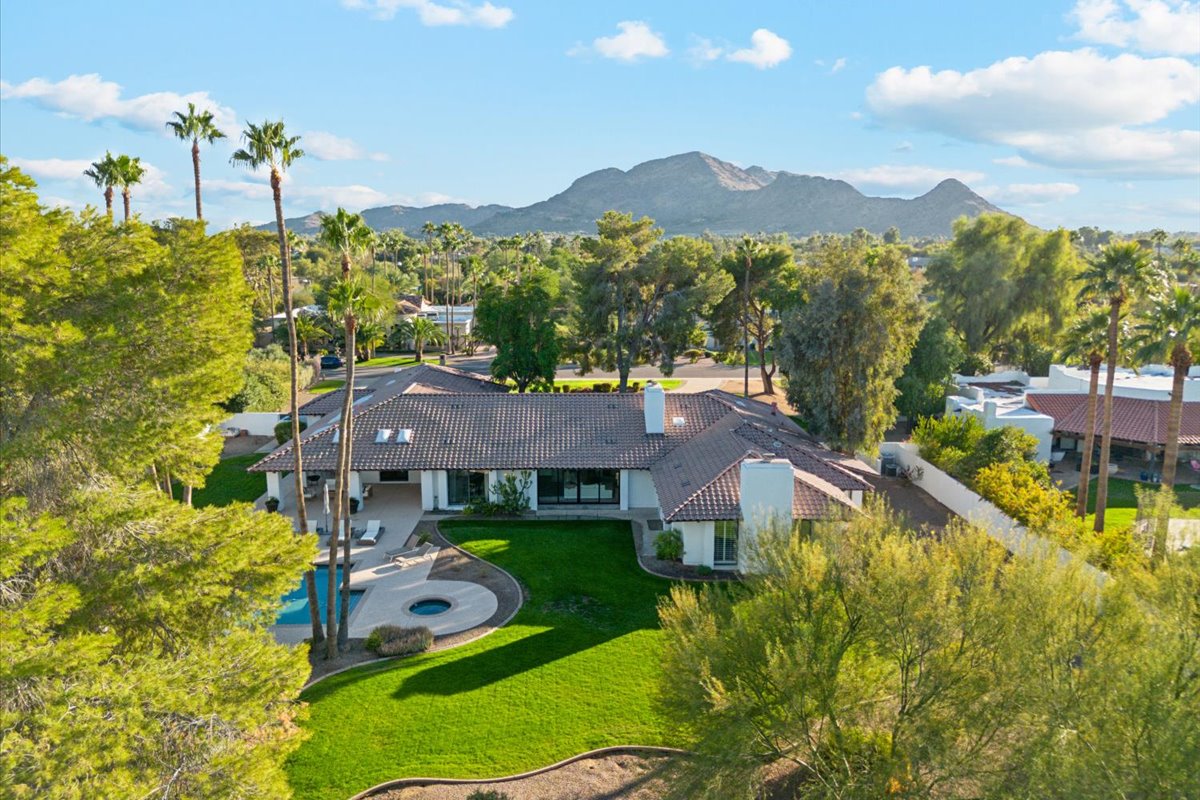
The town of Paradise Valley stands alone. It’s all residential. No apartments. Little commercial zoning. Estates rule every block. That control fuels prestige and pricing.
This is the highest barrier to entry in Greater Phoenix. Some of the most expensive homes in Arizona sit here. Privacy stays unmatched. Travel times stretch longer for dining or shopping, but residents accept that trade without hesitation.
This is the top tier.
-
Entirely residential zoning
-
Estate-only development
-
Extreme privacy
-
Long drive patterns
In “The Valley,” this sets the ceiling.
Patterns You’ll Keep Seeing
Across these areas, the themes don’t change much. Privacy beats access. Renovations decide value. Inventory stays scarce. Pedestrian friendly living fades as wealth climbs.
Buyers who understand that avoid surprises. Buyers who don’t learn fast.
That’s how wealth settles across Greater Phoenix.
Enjoy this content? Pay attention to LUXE BLOG for more helpful articles.


