


Luxury real estate valuation rests on three core approaches: comparative market analysis (CMA), the income approach, and the cost approach. Each offers a distinct lens focused on market behavior, investment value, or replacement cost that together form a defensible asking price. CMAs are usually the starting point because they reflect what buyers are actually paying in the local market. The income approach applies to estates with clear rental or investment potential by converting expected net operating income into value with an appropriate cap rate. The cost approach is useful for new custom builds or architecturally unique homes where replacement cost and depreciation are critical. In thin luxury markets, blending these methods and making careful, data-driven adjustments is essential when direct comparables are scarce.
Luxury Home Pricing Strategies: How To Price High‑End Properties
Learn About Pricing Strategies Through-Out Scottsdale And The Greater Phoenix Area
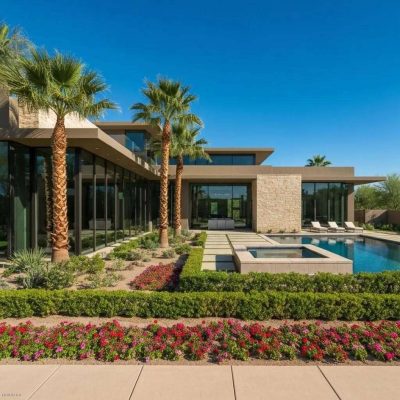
Pricing luxury homes requires both market discipline and creative positioning. This guide breaks down the valuation methods, neighborhood signals, property features, and pricing tactics that help sellers and their advisors secure top outcomes in Scottsdale and Greater Phoenix. With low transaction volume, bespoke amenities, and a concentrated pool of high-net-worth and cash buyers, accurate pricing must be paired with targeted marketing and precise timing. Here you’ll find how CMAs, income and cost approaches inform list price, how to read hyper-local demand, which property attributes move value, which tactical pricing choices work best, and the common seller mistakes to avoid. Practical checklists, comparison summaries, and neighborhood indicators are included so you can apply the recommendations immediately. We also explain how an experienced luxury agent supports pricing and sale execution and we weave in industry terms like luxury home valuation, comparative market analysis for luxury homes, and Scottsdale luxury real estate market report for clarity and search relevance.
What Are the Key Methods for Luxury Real Estate Valuation?
How Does Comparative Market Analysis Work for Luxury Homes?
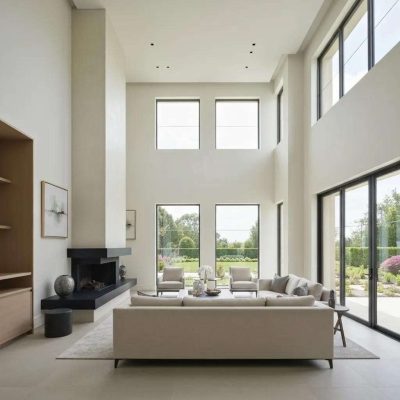
A Comparative Market Analysis (CMA) estimates value by selecting recent closed sales, current listings, and pending transactions that match the subject property’s key characteristics, then applying adjustments for differences in amenities, lot size, view, and condition. In the luxury segment, comparable selection focuses on immediate neighborhood trades, proximity in time, and alignment on core attributes like floor area, architectural style, and high-value amenities such as a home theater or wine cellar. Adjustments are made as dollar amounts or percentages, grounded in paired sales or local rules of thumb that reflect buyer preferences. A rigorous CMA documents each adjustment, explains the rationale to the seller, and tests the proposed asking price against buyer feedback and live market behavior to refine the pricing model.
What Are the Income and Cost Approaches in High‑End Property Appraisal?
The income approach converts projected rental or operating revenue into a market value by estimating net operating income and applying a relevant cap rate. It suits luxury homes with short-term rental potential, estate vineyards, or compounds with predictable cash flow, and requires modeling seasonality, management costs, and premium rates where applicable. The cost approach totals replacement cost less depreciation plus land value, which is practical for new custom estates or heavily renovated properties where construction and unique materials dominate value. Each method has limits. Income relies on reliable revenue data and market cap rates, while cost may understate location or brand premiums that buyers pay for in scarce, high-demand neighborhoods.
Taken together, the CMA shows current market behavior, the income approach captures investment value, and the cost approach defines replacement thresholds. Knowing each method’s assumptions lets sellers and advisors combine them into a defensible, market-oriented asking price.
Different approaches at a glance:
- Comparative Market Analysis: Uses recent sales to estimate market‑driven price and reflects current buyer sentiment.
- Income Approach: Capitalizes expected rental income for investment‑oriented valuation.
- Cost Approach: Totals replacement cost less depreciation; best for new or unique custom builds.
| Valuation Method | Primary Use Case | Strengths & Limitations |
|---|---|---|
| Comparative Market Analysis (CMA) | Market‑driven pricing for active listings | Strength: reflects real buyer behavior; Limitation: few true comps in rare‑property segments |
| Income Approach | Investment properties and short‑term rental estates | Strength: ties value to cash flow; Limitation: requires reliable revenue data and appropriate cap rates |
| Cost Approach | New custom builds or architecturally unique homes | Strength: quantifies replacement thresholds; Limitation: may underrepresent location or brand premiums |
How Does Market Analysis Influence Luxury Home Pricing in Scottsdale and Greater Phoenix?
Market analysis here blends macro indicators such as interest rates, regional employment, and liquidity with hyper-local inventory trends, neighborhood demand, and buyer composition to set realistic, time-sensitive asking prices. In Scottsdale and Greater Phoenix, a higher share of cash buyers and relocation demand can shorten days on market and support aspirational pricing when inventory is tight and outreach is targeted. By contrast, rising rates or reduced liquidity among affluent buyers usually means adopting precision pricing to avoid lengthy exposure. Neighborhood dynamics including gated-community premiums, proximity to premier golf, or nearby development translate into measurable price differences across submarkets.
What Neighborhood‑Specific Trends Affect Luxury Home Values?
Neighborhood trends create premiums through scarcity, amenity access and local reputation. Factors like mountain views, proximity to high‑end retail and dining, school perceptions and private club access can produce substantial price variances even within a single city. Limited‑lot inventory in exclusive enclaves tends to speed sales and drive competition, while emerging luxury nodes may appreciate quickly as amenities and infrastructure mature. Documenting neighborhood strengths in the listing narrative and pricing rationale helps justify aspirational anchors to the right buyer cohort. Real‑time neighborhood profiling supports price strategies aligned with demand intensity and buyer segmentation.
How Do Economic Indicators and Supply‑Demand Dynamics Impact Pricing?
Interest rates, job growth, and liquidity among affluent buyers shift buyer sensitivity and the effective buyer pool. When liquidity is abundant and rates are steady, buyers will pay premiums for rarity and lifestyle, while when liquidity tightens, negotiation pressure rises. Supply and demand metrics such as active luxury inventory, new listing cadence, and prevalence of off-market sales determine whether aspirational pricing is viable or precision pricing is required. Monitoring these indicators weekly to monthly lets sellers adjust tactics quickly and avoid the stigma of a stale listing.
Neighborhood‑level snapshot for decision making:
| Neighborhood | Key Trend/Indicator | Effect on Pricing (short/medium term) |
|---|---|---|
| Luxury Golf Communities | Limited resale inventory, strong amenity demand | Price premiums; shorter time‑on‑market |
| Urban Luxury Corridors | New boutique development, elevated buyer interest | Appreciating values; candidate for aspirational pricing |
| Gated Estates | Privacy and security demand | Negotiation leverage; selective buyer pool |
What Factors Most Influence the Value of Luxury Homes?
Property attributes such as premium amenities, architectural pedigree, square footage, build year, and view drive luxury premiums and determine what buyers will pay above baseline land and structure costs. Scottsdale and Greater Phoenix buyers typically prioritize private outdoor living, chef-quality kitchens, professional pools, and integrated smart systems. Architectural pedigree, including starchitect designs or historically significant estates, can command rarity premiums beyond amenity adjustments. Provenance or celebrity ownership may add intangible value when documented. Condition and recent renovations deliver immediate uplift when they align with buyer expectations and are backed by professional documentation and high-quality media.
How Do Unique Amenities and Architectural Styles Add Value?
High-quality amenities such as home theaters, professional wine cellars, resort-style pools, and outdoor kitchens often translate into measurable premiums because they expand lifestyle space and lower renovation risk for buyers. Architectural styles tied to notable designers or regional traditions create scarcity that supports aspirational pricing when properly certified and marketed. Estimating premium ranges requires local data. For example, a thoughtfully executed resort-style pool and landscape package can increase perceived livability and, in competitive micro-markets, produce double-digit uplifts in buyer willingness to pay. Professional plans, warranties, and photography convert these features into appraiser- and buyer-accepted value.
Research shows that owning a home can carry emotional value. Terms like “dream” and “achievement” often influence buyer decisions across income levels.
Luxury Property Market Dynamics and Customer Value Perception
The luxury property market presents challenges including intense competition, buyer incentives, and the role of branding in creating perceived value. Survey language often highlights emotional drivers such as dream, achievement, and freedom, suggesting that homeownership can mean more than a simple financial transaction. A concise way to capture these findings is: “The dream of owning a home versus owning a dream home.”
The Meaning of Owning a Home to Buyers of Luxury Properties and Beneficiaries of the Minha Casa Minha Vida Program: A Comparative Study, JMC de Mesquita, 2016
Why Is Location and Property Condition Critical in Pricing Luxury Homes?
Micro-location, including orientation to mountain views, noise buffers, privacy, and access to premium services, directly affects buyer utility and willingness to pay. Condition, including maintenance, systems modernization, and finishes, affects perceived risk and move-in readiness. A turnkey property that requires little immediate capital will attract buyers willing to pay a premium versus a comparable that needs significant renovation. Sellers should present a condition-based pricing checklist and contractor estimates where possible to justify price differentials. Detailed inspection reports, recent systems upgrades, and a documented maintenance history reduce buyer discounting and support aspirational pricing anchors.
To summarize how attributes map to impact, consider this quick reference:
- Amenity ROI: Pool, outdoor kitchen and home theater usually produce the highest buyer‑perceived uplift.
- Architectural Pedigree: Starchitect work or provenance can create rarity premiums beyond amenity math.
- Condition: Turnkey readiness shrinks negotiation room and supports higher asking prices.
| Factor | What to look for | Typical Value Impact |
|---|---|---|
| Amenity (pool, home theater) | Quality, integration and maintenance | Moderate to high uplift depending on execution |
| Architectural Style | Designer pedigree, uniqueness | High rarity premium when verified |
| Condition & Systems | Recent updates, warranties | Immediate premium for turnkey readiness |
What Are the Most Effective Strategic Pricing Techniques for Luxury Properties?

List of Tactical Techniques With Benefits and Risks:
-
Aspirational Pricing
Benefit: attracts high-value buyers
Risk: may limit broader buyer interest if unsupported -
Precision Pricing
Benefit: maximizes initial exposure within realistic expectations
Risk: requires very accurate comp data -
Controlled Underpricing
Benefit: can generate bidding competition
Risk: depends on correct market read and strong outreach
What Common Pricing Mistakes Should Sellers Avoid in Luxury Real Estate?
Sellers often undo value by overpricing, ignoring market feedback, letting emotion drive decisions, or underinvesting in the bespoke marketing that justifies aspirational pricing. Overpricing results in stale listings, fewer showings, and weakened negotiation leverage because buyers and agents mentally reclassify the property and discount accordingly. Ignoring feedback such as agent comments, showing counts, and traffic metrics prevents timely course corrections. Emotional pricing, where sentimental value trumps market reality, delays sale. Avoiding these mistakes means committing to a disciplined, evidence-based pricing plan and being willing to adapt when market signals require change.
Why Is Overpricing Detrimental to Luxury Home Sales?
Overpriced luxury listings see reduced exposure because buyer agents deprioritize showings and appraisers rarely bridge large valuation gaps. That leads to longer time on market and eventual price reductions, which can reset buyer expectations downward. The mechanics are listing fatigue and perceived distress, which demand larger concessions to revive interest. Corrective steps include a transparent staged pricing schedule, refreshed targeted outreach, and upgraded listing presentation. Timely, measured price realignment after reading market feedback typically outperforms prolonged resistance to realistic pricing.
How Can Ignoring Market Feedback and Emotional Valuation Harm Pricing?
Ignoring structured feedback such as showing comments, traffic metrics, and buyer qualification lets pricing drift from market appetite and risks the property languishing. Emotional valuation breeds unrealistic asking prices that disconnect marketing from buyer expectations. Remediate this by collecting consistent feedback, tracking patterns over time, and setting objective triggers for price adjustments. A structured feedback loop between the agent, seller, and marketing team keeps pricing responsive while protecting perceived value.
A short corrective checklist for sellers:
-
Collect structured feedback after each showing or open event.
-
Reassess buyer pool quality and refine marketing targeting as needed.
-
Establish a staged price adjustment timeline with objective triggers.
How Does a Luxury Real Estate Agent Enhance Pricing Strategy and Sale Success?
A luxury real estate agent combines market intelligence, valuation modeling, bespoke marketing, and high-level negotiation to position rare properties where qualified buyers transact at premium prices. Agents make sense of limited-data luxury markets by using alternative comparables such as club membership transfers, off-market trades, and proximate amenity upgrades to refine comp sets and calibrate precision pricing. They coordinate elite marketing including professional media, private outreach, and buyer qualification to support aspirational anchors. Skilled negotiators protect price while managing concessions with strategies that preserve perceived value and speed closings on favorable terms.
What Market Insights and Negotiation Skills Do Luxury Agents Provide?
Luxury agents identify hidden comparables, spot buyer trends among cash purchasers, and time listing entry to match peak demand windows. These tasks require deep local networks and data synthesis. In negotiation they manage escalation, contingency qualification, and timing to reduce concession pressure and protect seller objectives. They also craft contract language and closing terms that lower perceived risk for high-net-worth buyers, which often results in higher net proceeds for sellers. These capabilities make specialized agents indispensable when pricing and marketing rare properties.
Academic work shows a measurable “luxury premium” can be isolated in valuation models, and that premium fluctuates with market cycles and can even reverse during severe downturns.
Evaluating Luxury Housing Value: A Real Options Approach
Using a real options framework, researchers show how a luxury premium can be estimated for high-end housing and how that premium behaves across business cycles. The study finds the luxury premium per unit area can be simulated and that the value dynamics explain different behaviors in expansions and recessions. In extreme downturns the luxury premium may become negative.
Does high-end housing always have a premium luxury value? A theoretical and numerical study, 2023
How Do Williams Luxury Homes’ Unique Services Support Accurate Pricing?
Williams Luxury Homes is a full-service residential team that pairs interior design and contracting capabilities with an in-house marketing agency. Their multilingual advisors work with buyers, sellers, developers, and investors, bringing data, relationships, and sharp negotiation skills. They deliver studio-quality video, manage new-build releases, and list high-rise condos, estates, and golf-community properties across Greater Phoenix. Their Scottsdale office is at 7373 E Doubletree Ranch Rd Unit 200, Scottsdale, AZ 85258.
By combining media production, privacy services, and multilingual outreach with disciplined valuation methods, these capabilities reduce sale risk and help secure premium outcomes.
Frequently Asked Questions
What Are the Common Challenges in Pricing Luxury Homes?
Luxury pricing is difficult because each property is often unique and true comparables are limited. Sellers must value bespoke features that do not always map neatly to recent sales, and changing market conditions, buyer sentiment, and macroeconomic indicators can complicate strategy. Recognizing these constraints early helps avoid mistakes like overpricing or misreading buyer demand, which lengthen time on market and reduce net proceeds.
How Can Sellers Effectively Communicate the Value of Unique Features?
Sellers should document and showcase high-value features with professional photography, floor plans, virtual tours, and clear descriptions that emphasize lifestyle benefit. Provide supporting documentation such as plans, warranties, and maintenance records so buyers and appraisers can verify quality. Storytelling that places the home in a lifestyle context, plus targeted outreach to qualified buyers, makes unique attributes easier to monetize.
What Role Does Timing Play in Luxury Home Pricing?
Timing matters. Seasonal trends, local demand cycles, and broader economic indicators affect buyer behavior. Listing during a peak window or when inventory is constrained can improve outcomes. Conversely, listing into a softening market may require a more conservative approach. Monitor interest rates, liquidity, and local market cues to choose the optimal launch time.
How Can Sellers Avoid Emotional Pricing Decisions?
Avoid emotion by grounding price decisions in data such as CMAs, market feedback, and professional appraisals instead of personal attachment. Work with a trusted agent or appraiser who can provide objective perspective, set clear pricing benchmarks, and agree on decision triggers for adjustments. Regularly review showing feedback and metrics to keep price strategy aligned with market reality.
What Are the Benefits of Using a Luxury Real Estate Agent?
A luxury agent brings specialized market knowledge, exclusive marketing channels, and negotiation experience that directly affect pricing and net proceeds. They connect sellers with qualified buyers, craft messaging that supports aspirational pricing, and structure deals to reduce buyer risk. That expertise streamlines the process and increases the likelihood of a premium sale.
How Do Economic Conditions Affect Luxury Home Pricing?
Economic factors like interest rates, employment, and overall liquidity shape who is in the buying pool and how sensitive they are to price. In a stable, low-rate environment buyers are likelier to pay premiums for rarity and lifestyle. In downturns or when rates rise, demand softens and premiums shrink. Sellers must monitor these signals and adjust pricing tactics accordingly.


